Skip to content
Food Blog Blog How we test

Reference

Technique

Calibration, logging and measuring habits that change the numbers more than the gear does.

Most of the error in a calorie log is not the app or the scale. It is weighing cooked food against a raw label, guessing a portion, or leaving leftovers out too long. These guides fix the habits first, with the temperatures and times checked against USDA FSIS and FDA.

Safe Internal Cooking Temperatures Chart
Reference Technique

Safe Internal Cooking Temperatures Chart

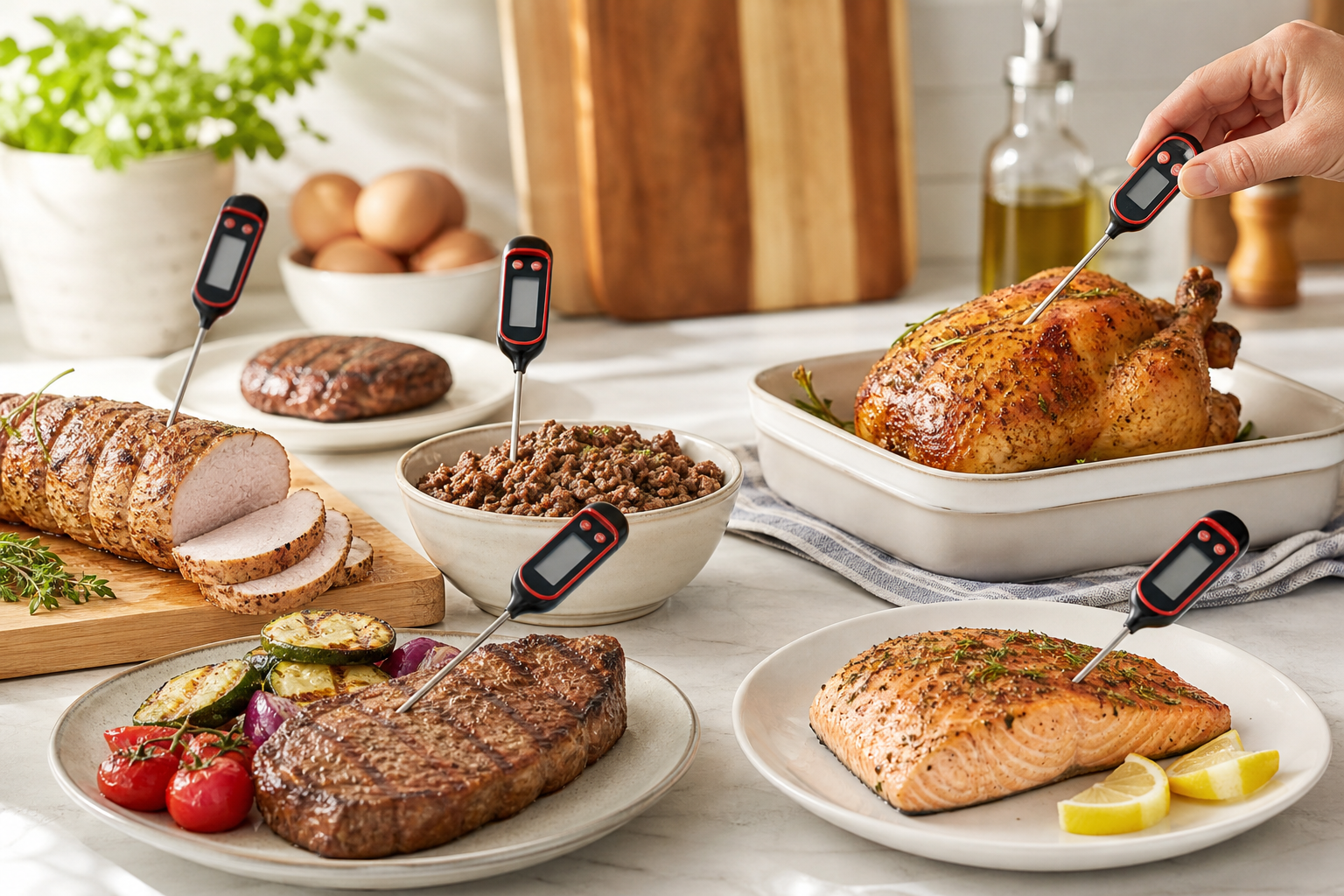
Four numbers cover almost everything: 145 °F for whole cuts and fish, 160 °F for ground meat and egg dishes, 165 °F for all poultry and leftovers, 140 °F to reheat a packaged cooked ham. In Fahrenheit and Celsius, with rest times.

Mara Ellison ·
Fridge and Freezer Storage Times Chart
Reference Technique

Fridge and Freezer Storage Times Chart

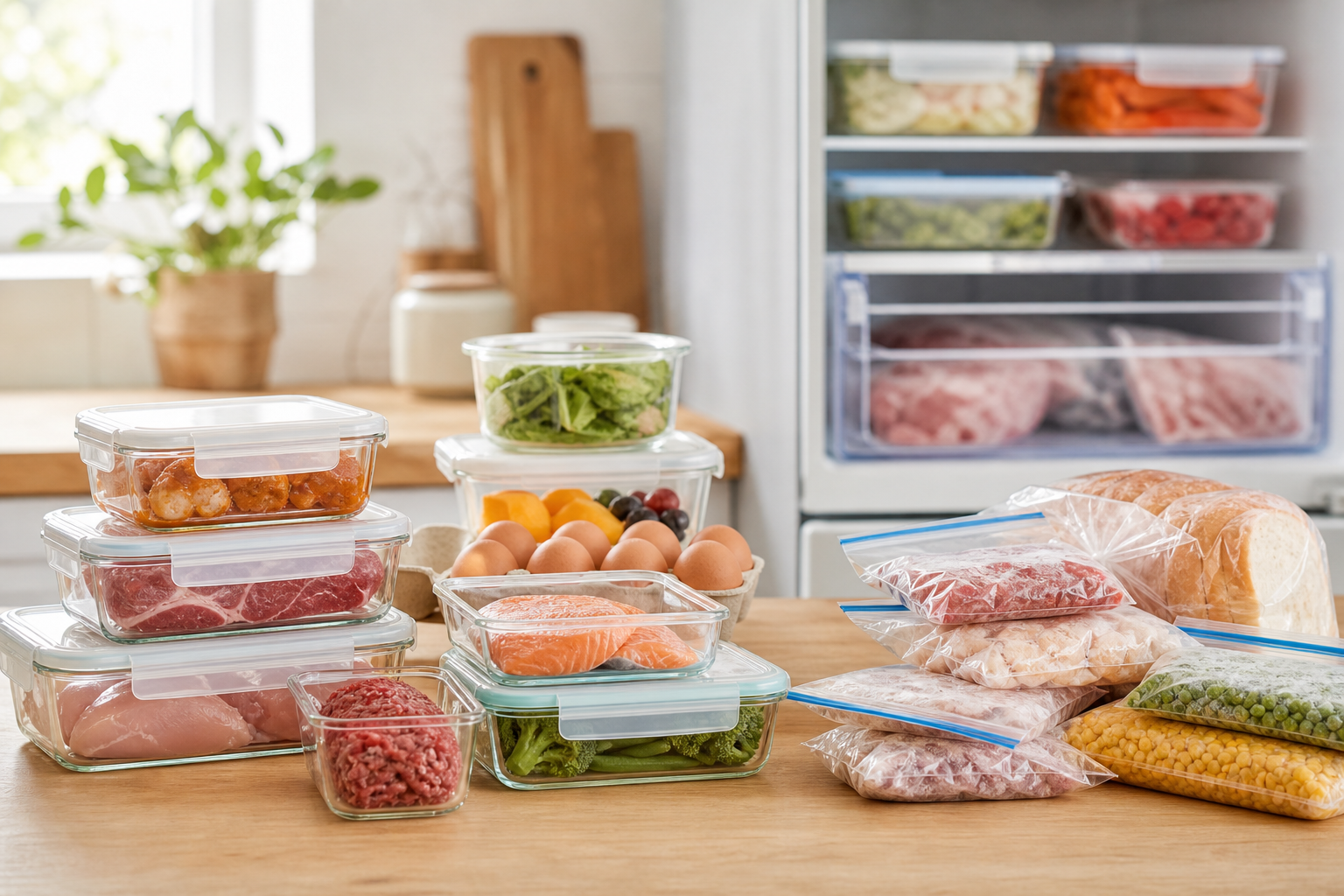
Raw ground meat keeps 1–2 days in a 40 °F fridge, leftovers 3–4, fresh steaks 3–5. In a 0 °F freezer food stays safe indefinitely, and the months below are for quality. The USDA chart in one table.

Mara Ellison ·
Cups to Grams by Ingredient
Reference Technique

Cups to Grams by Ingredient

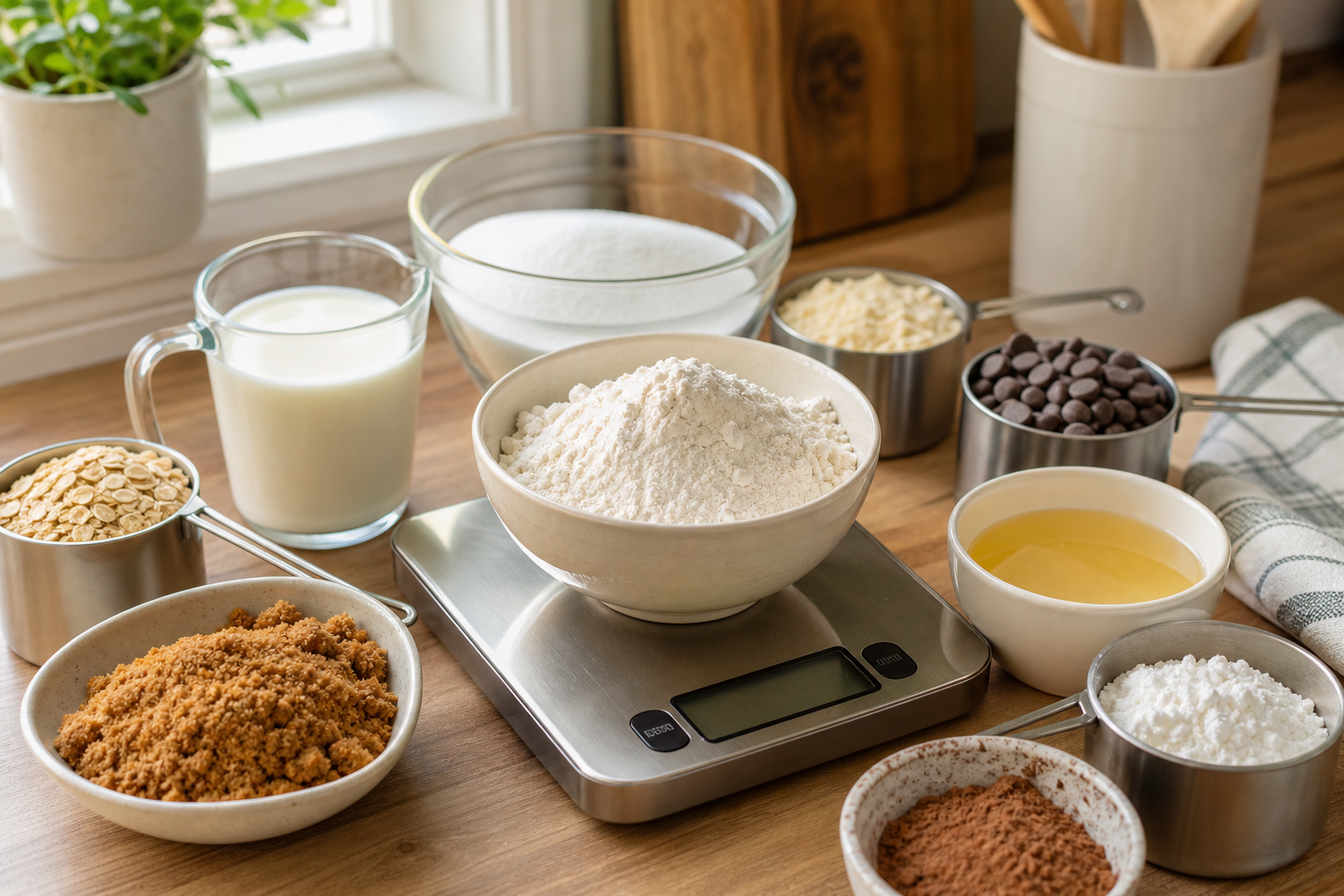
A cup of all-purpose flour is 125 g by USDA's figure and 120 g by King Arthur's. A cup of honey is 339 g, 2.7 times as heavy. USDA cup weights for 34 ingredients, and why the way you fill the cup changes the number.

Mara Ellison ·
Raw to Cooked Weight Conversion Table
Reference Technique

Raw to Cooked Weight Conversion Table

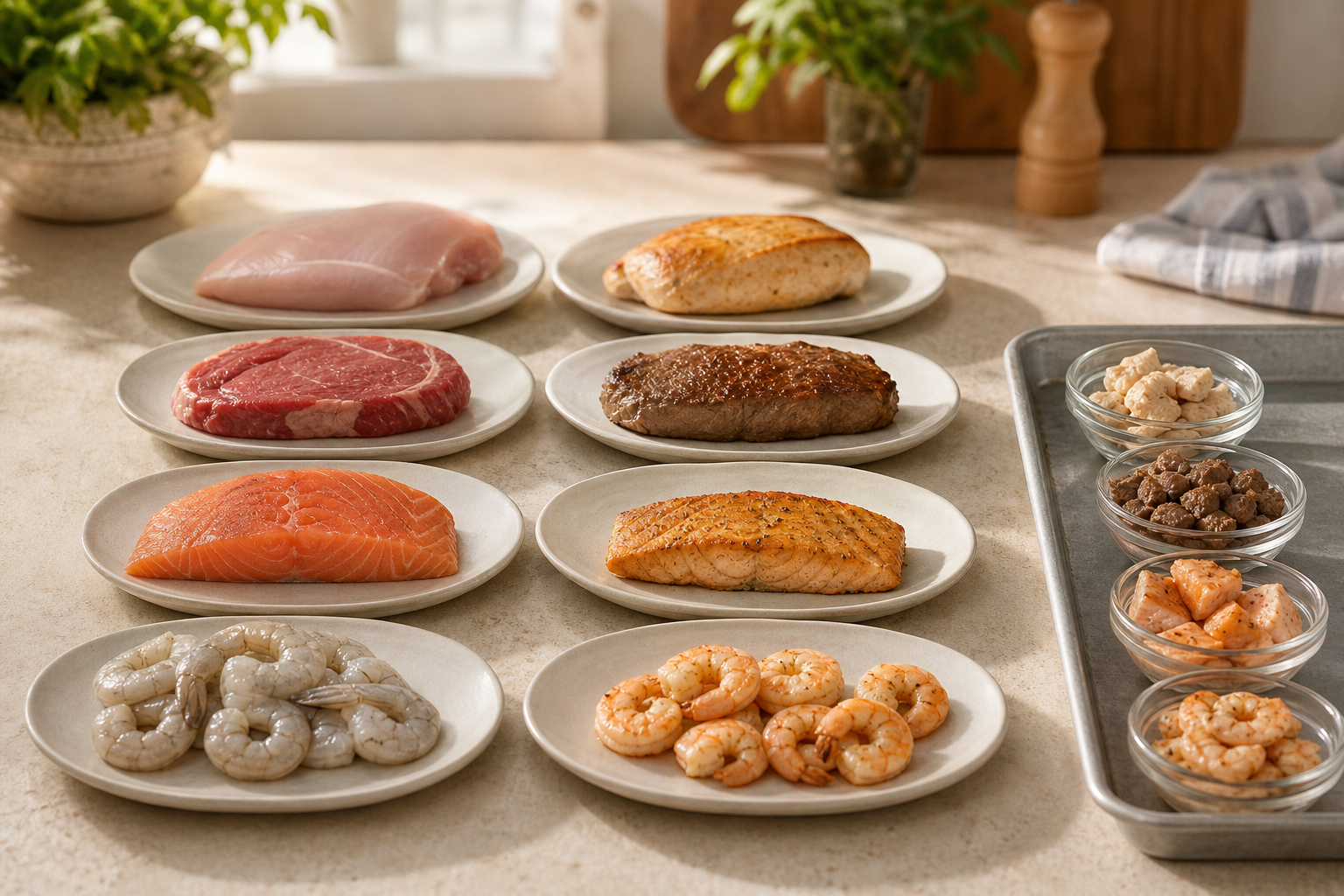
100 g of raw chicken breast cooks down to about 73 g. 100 g of dry rice cooks up to about 281 g. Conversion factors for 10 common foods, worked out from USDA calorie figures, and the places where the shortcut breaks.

Mara Ellison ·