Skip to content
Food Blog Blog How we test

Section

Guides

How to check the gear you already own, and what to look for before you buy more of it.

These are the habits that move the number more than the gear does: what state you weigh food in, how you thaw it, how you store the leftovers, where the probe goes. Each guide comes from the same bench the reviews use, with the temperatures and times checked against USDA FSIS and FDA rather than against another blog. Start with raw versus cooked, because it is the one that makes every calorie figure on this site comparable.

Start here The first page to read in this desk
Cheapest Protein per 30 g
Guides Shopping

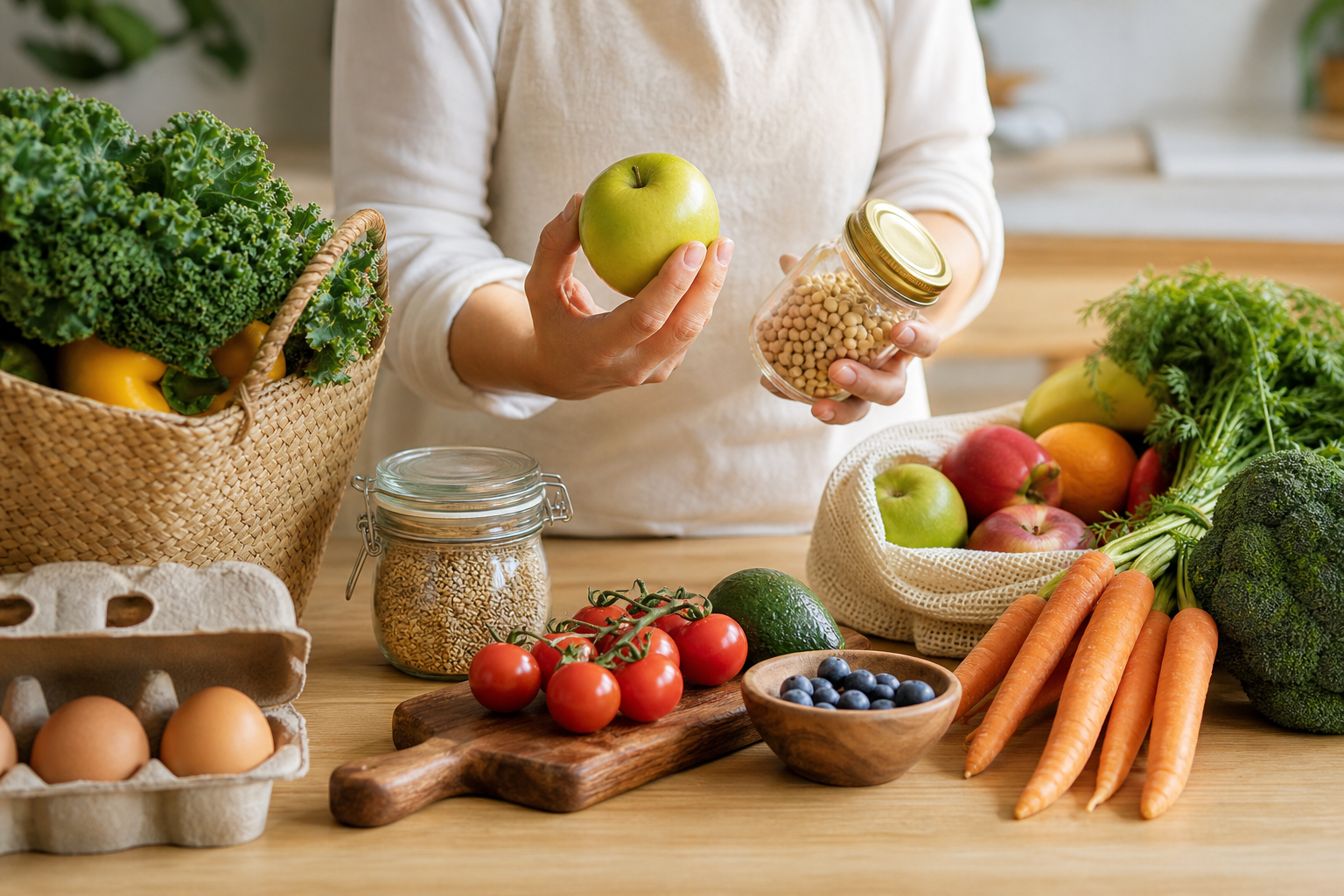
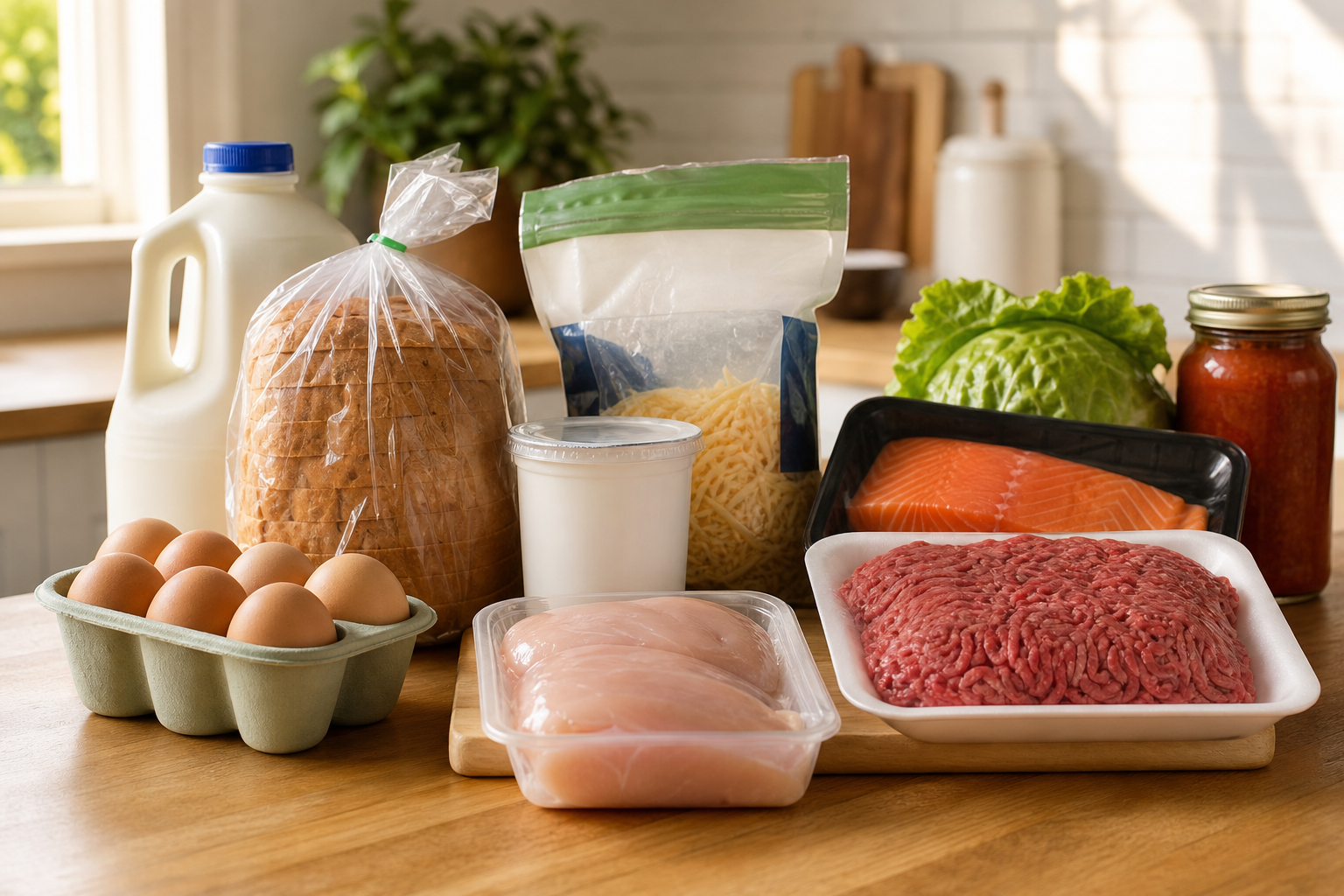
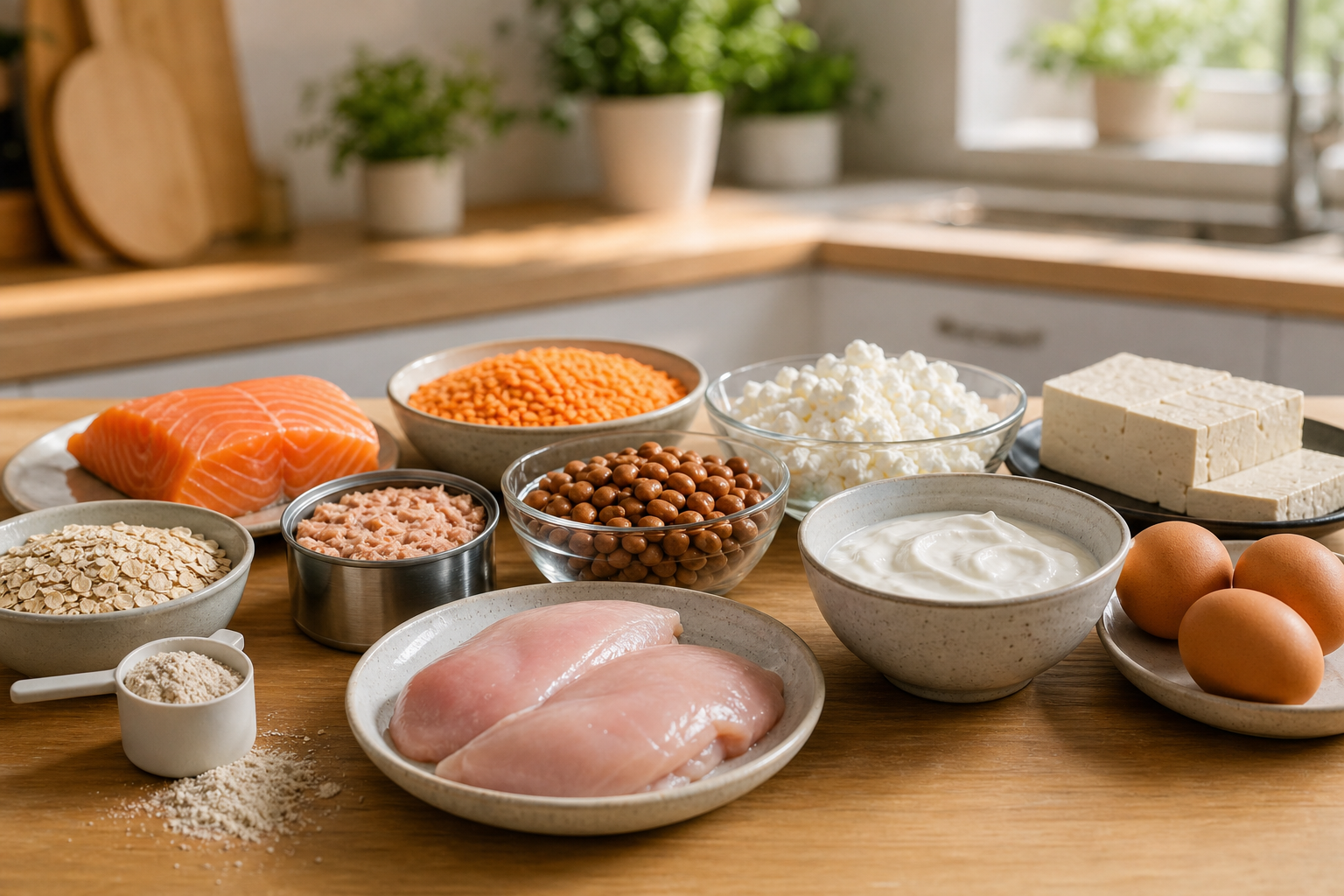
Cheapest Protein per 30 g: What U.S. Prices Say in October 2026

At October 2026 U.S. average prices, 30 g of protein costs $0.51 from dried beans, $0.92 from eggs, $1.20 from chicken breast and $2.60 from ground beef. The cheapest protein comes with 474 calories; chicken breast's comes with 160.

Mara Ellison ·
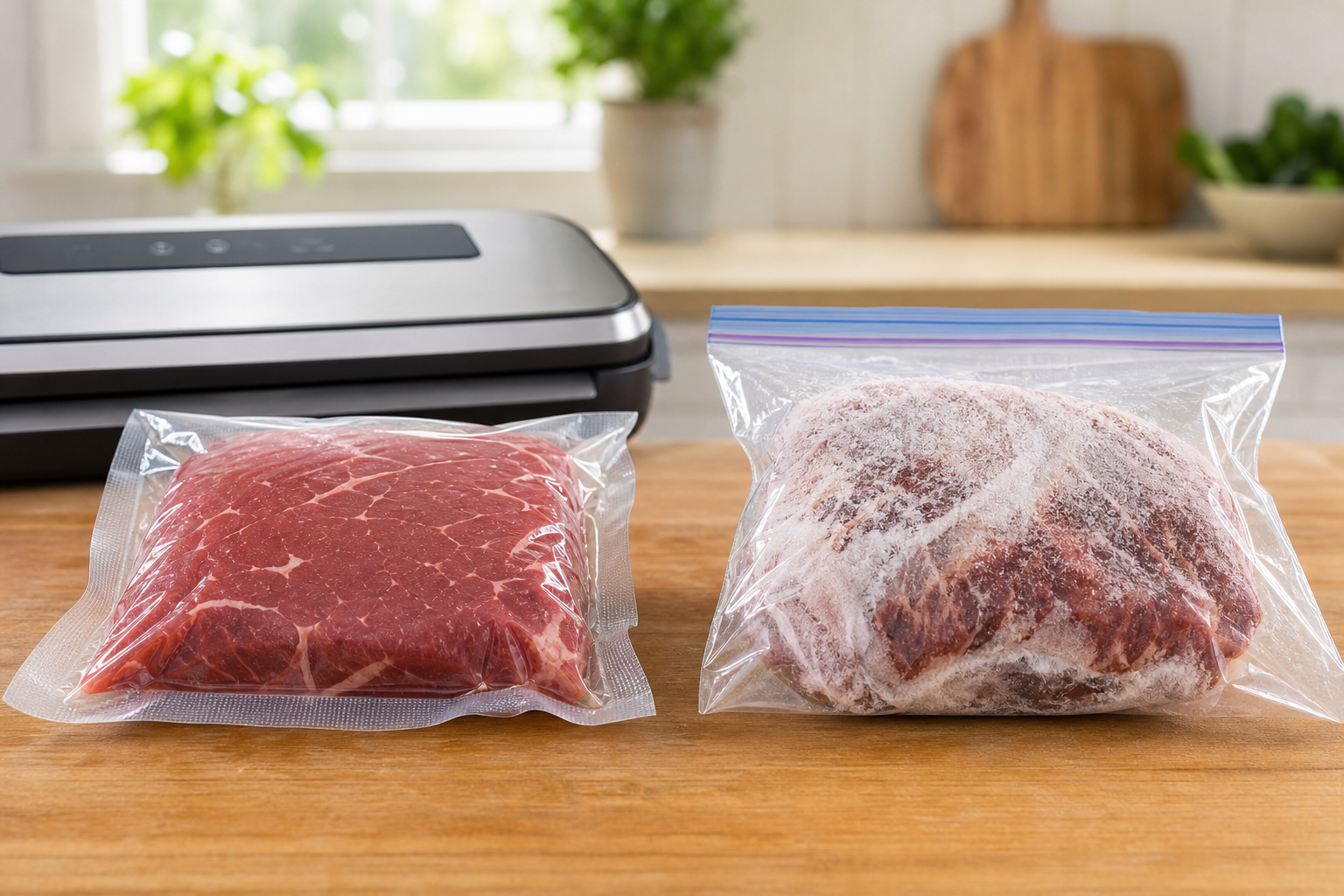
Vacuum sealer vs zip-top bags
Guides Kitchen gear

Vacuum sealer vs zip-top bags: 2% vs 31% freezer burn after 90 days

We froze food for 90 days in vacuum-sealed bags and in zip-top bags. Sealed food showed 2% freezer burn and lost 4 g of moisture, with no failed seals in 20. In zip-top bags: 31% freezer burn, 18 g lost, and 3 of 20 seals failed.

Dev Patel ·
How Accurate Are the Calories on Food Labels?
Guides Shopping

How Accurate Are the Calories on Food Labels?

FDA lets a product carry up to 20% more calories than its label says before it counts as misbranded, and there is no penalty for overstating. Studies have found frozen meals 8% over, restaurant food 18% over, and almonds 32% under. What that does to your log.

Mara Ellison ·
How to log home-cooked recipes in any calorie app
Guides Nutrition apps

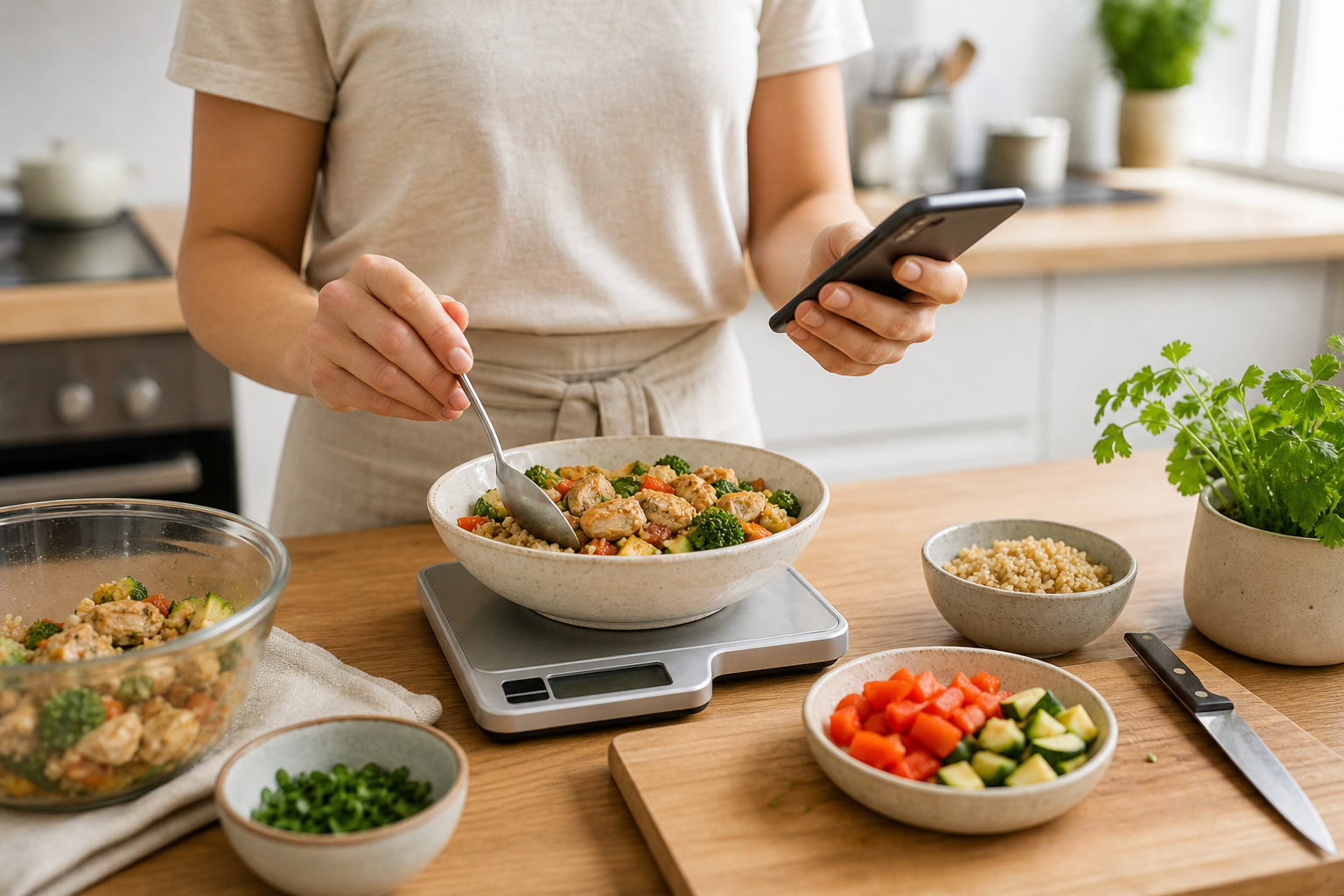
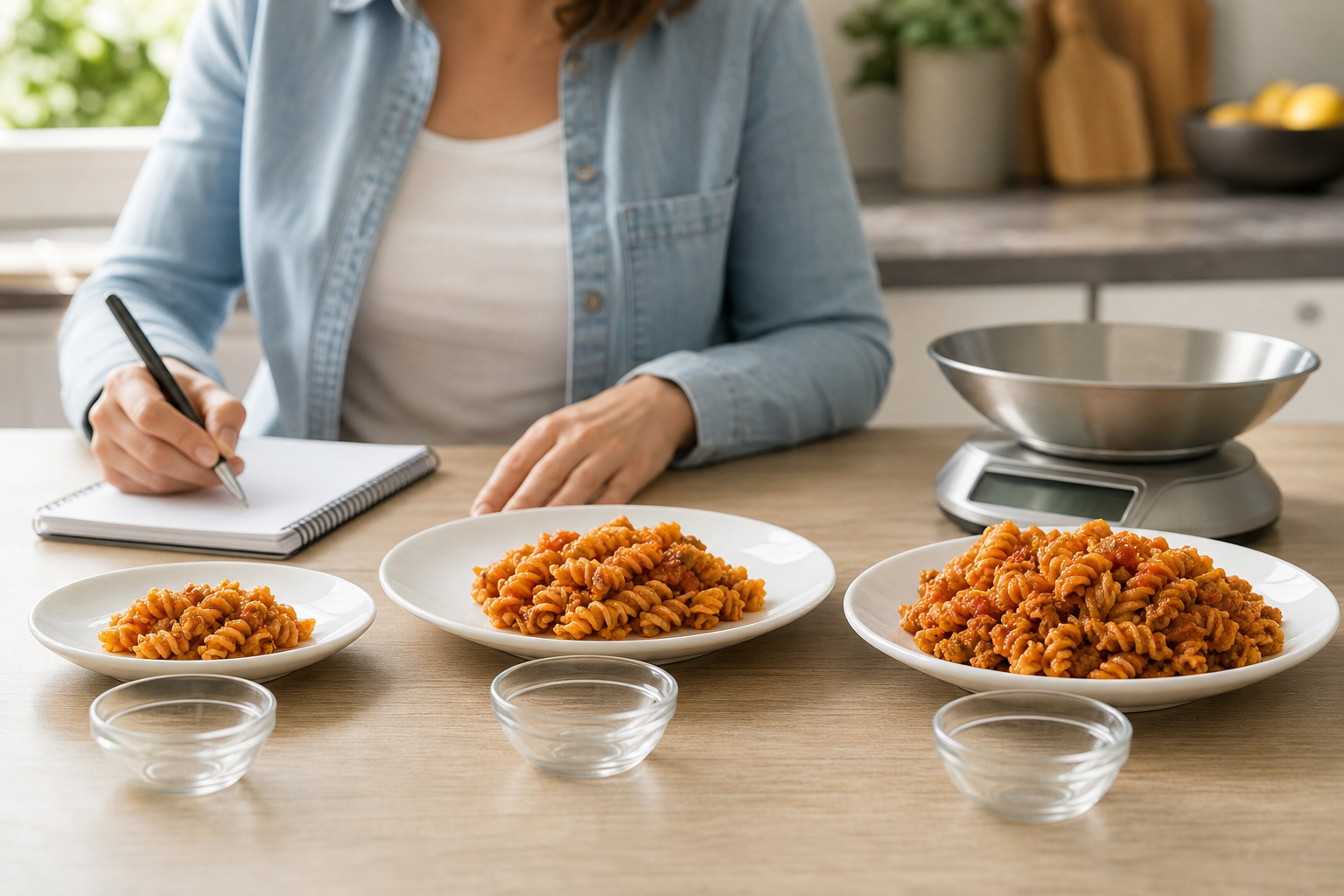
How to log home-cooked recipes in any calorie app

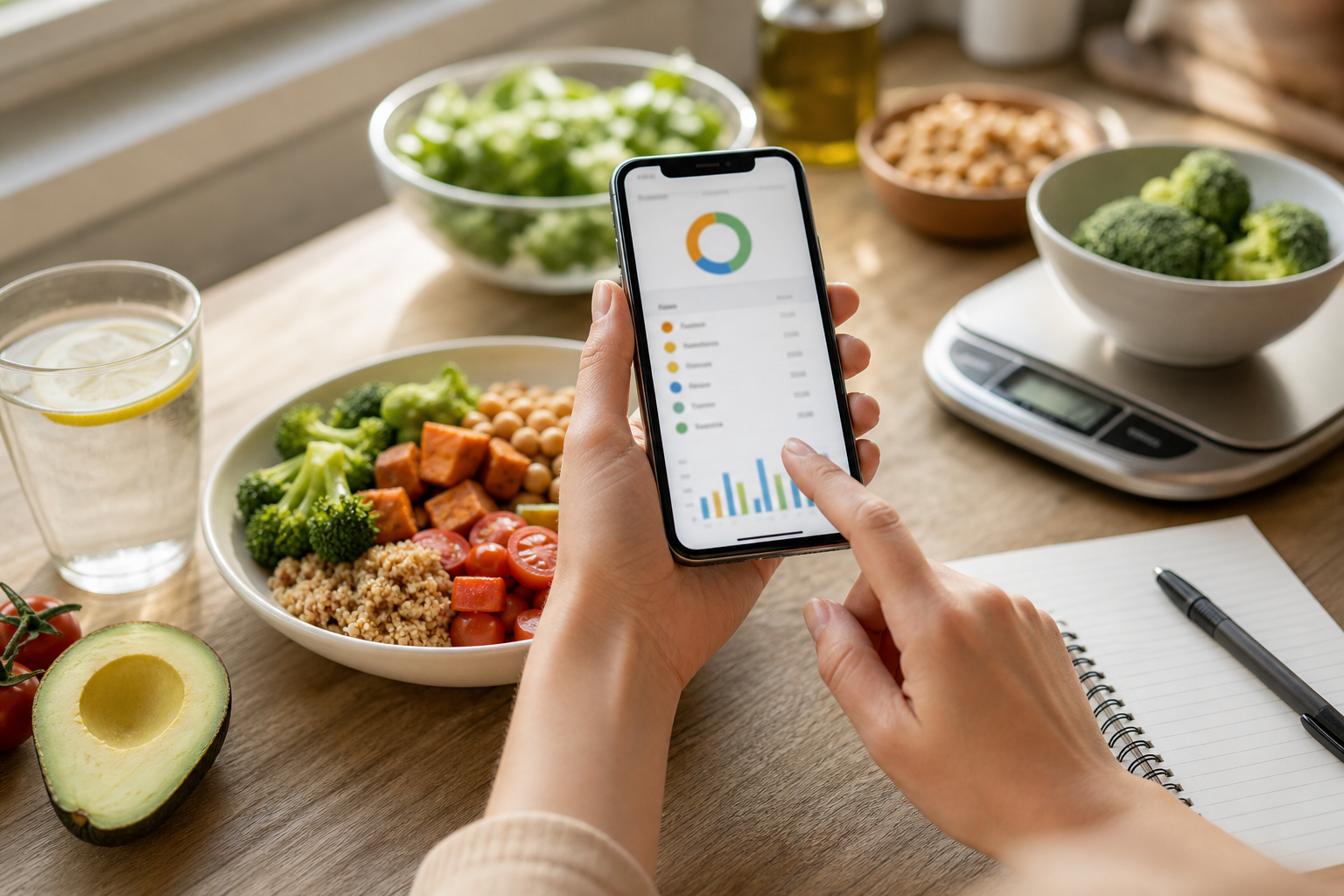
Weigh every raw ingredient, oil included, weigh the finished pot, and log your bowl by the gram. It works in any app with a diary, and it removes the biggest guess in a home-cooked log: what one serving weighs.

Cass Rivera ·
Organic, Natural, Non-GMO
Guides Shopping

Organic, Natural, Non-GMO: Which Labels Mean Anything

USDA Organic is a federal standard with inspections and a 95% ingredient threshold. 'Natural' has no formal FDA definition. Non-GMO Project Verified is a private seal. None of them changes a single calorie. What each claim guarantees, and what it doesn't.

Mara Ellison ·
How to Freeze Meal Prep Without Freezer Burn
Guides Technique

How to Freeze Meal Prep Without Freezer Burn

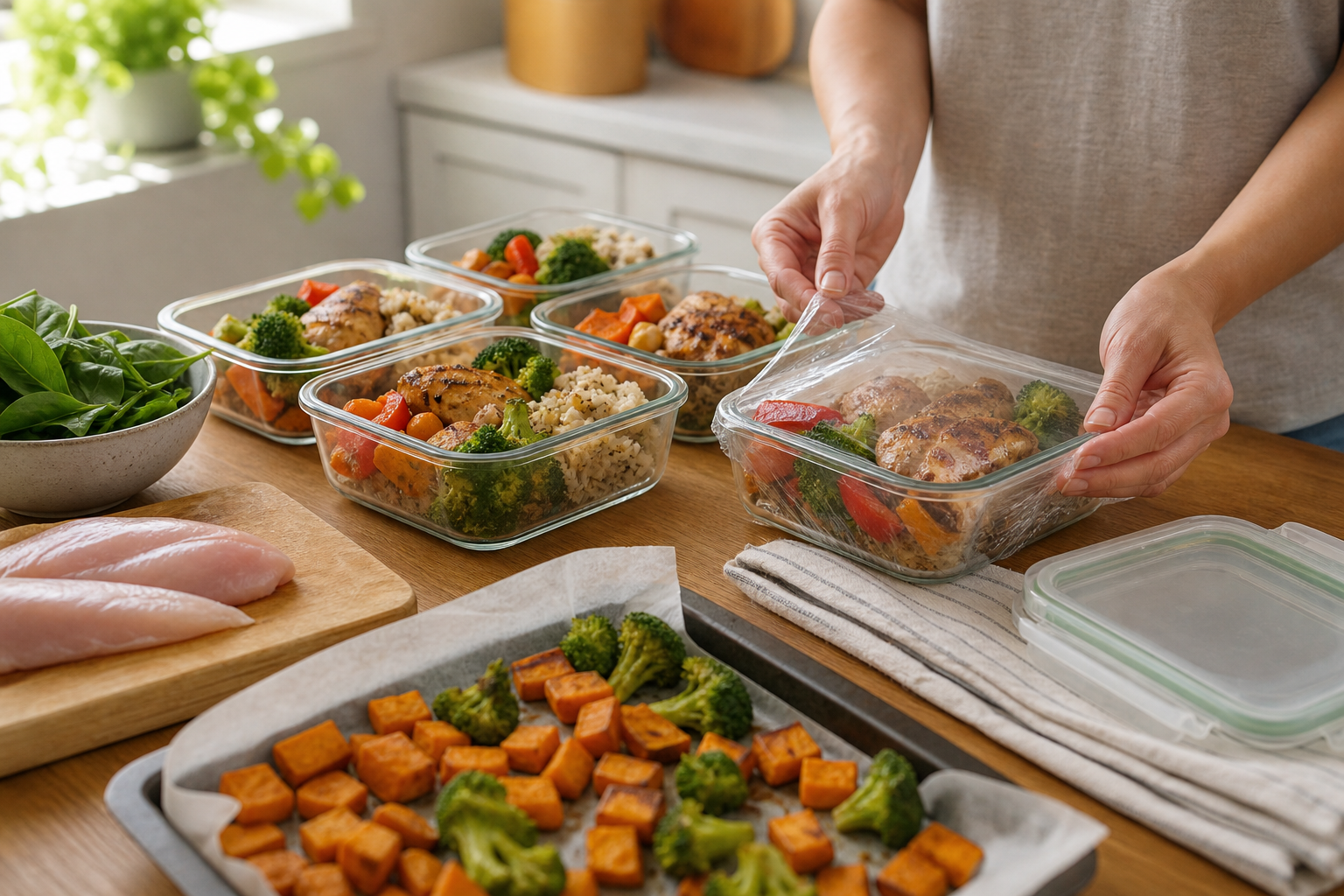
Freezer burn is air on the food's surface. Squeeze out the air, cool the food first, freeze it flat, keep the freezer at 0 °F, and add no more than 2 to 3 lb of unfrozen food per cubic foot a day.

Dev Patel ·
Is It Safe to Reheat Rice? What the Risk Actually Is
Guides Technique

Is It Safe to Reheat Rice? What the Risk Actually Is

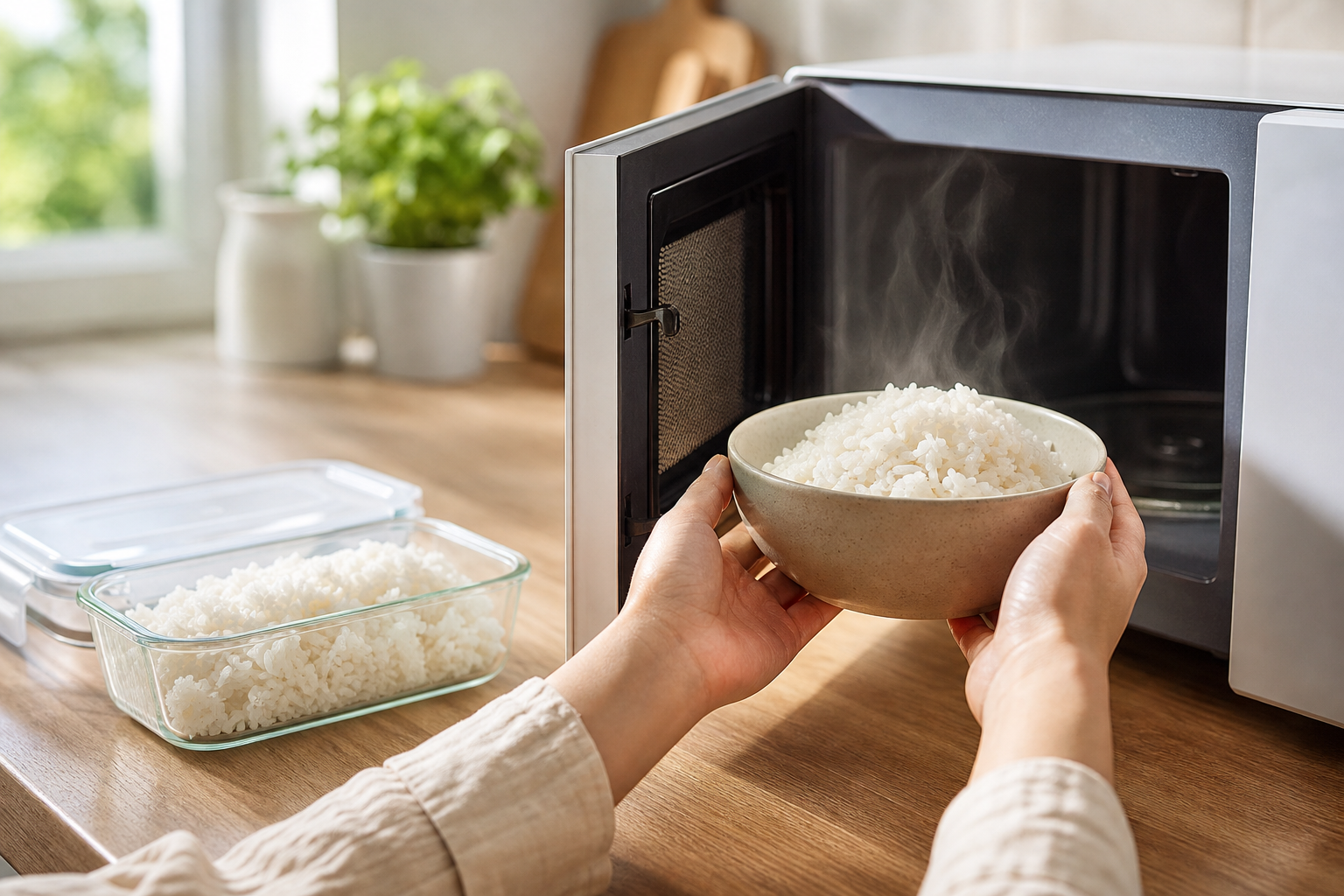
Reheating isn't the risk. Time spent warm is. Bacillus cereus spores survive cooking, and if rice sits out, they can make a toxin that reheating won't destroy. Cool it within an hour, chill it, reheat it once.

Dev Patel ·
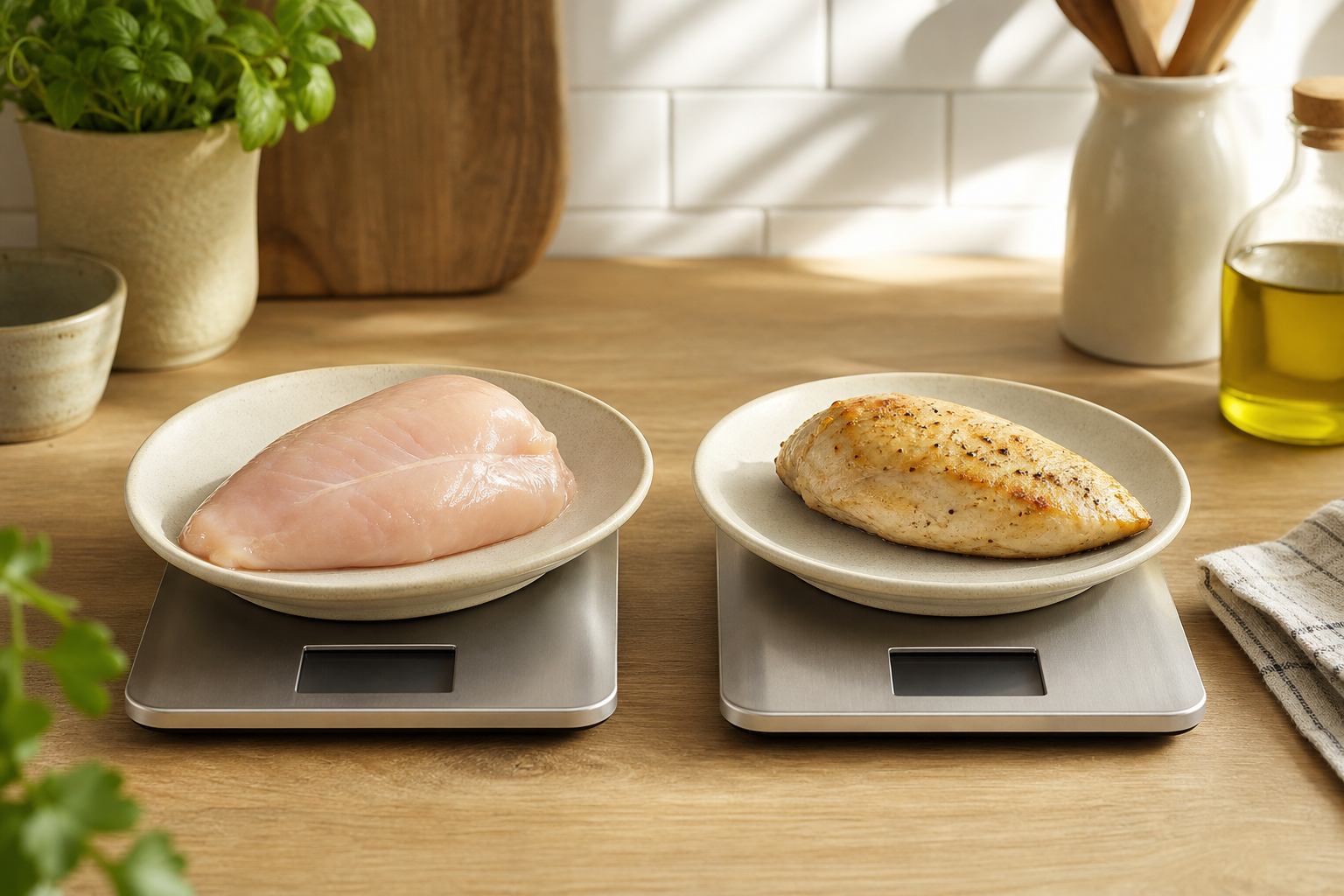
Should You Weigh Food Raw or Cooked?
Guides Technique

Should You Weigh Food Raw or Cooked?

Either works, if the database entry matches the state you weighed. Mix them up and 100 g of cooked rice logs as 365 calories instead of 130, and 100 g of roast chicken as 120 instead of 165.

Dev Patel ·
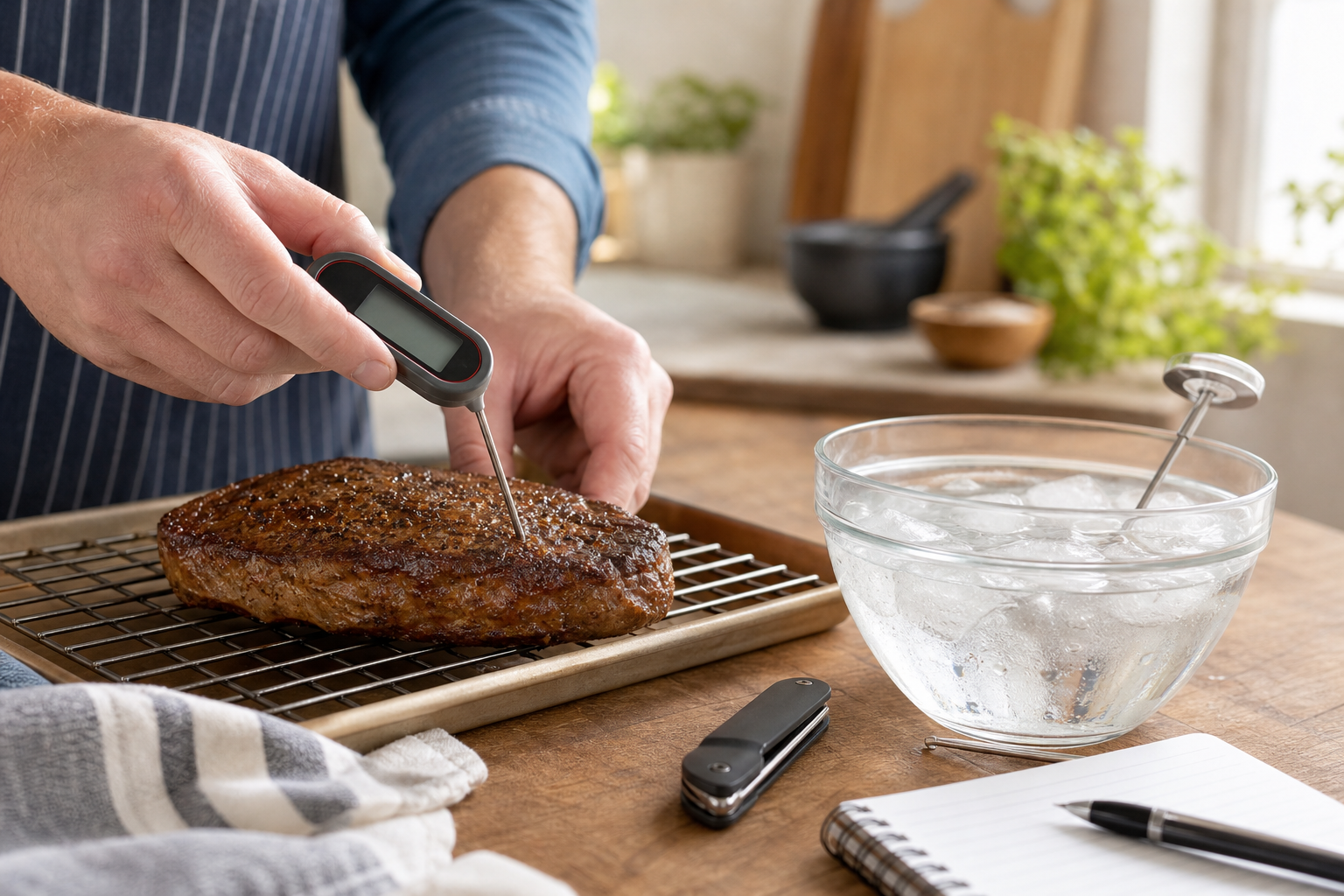
How to Use (and Calibrate) a Meat Thermometer
Guides Technique

How to Use (and Calibrate) a Meat Thermometer

A thermometer is only as good as where you put it and whether it reads true. Probe the thickest part, away from bone and fat, and check it in ice water: it should read 32 °F. Boiling water reads 212 °F only at sea level.

Dev Patel ·
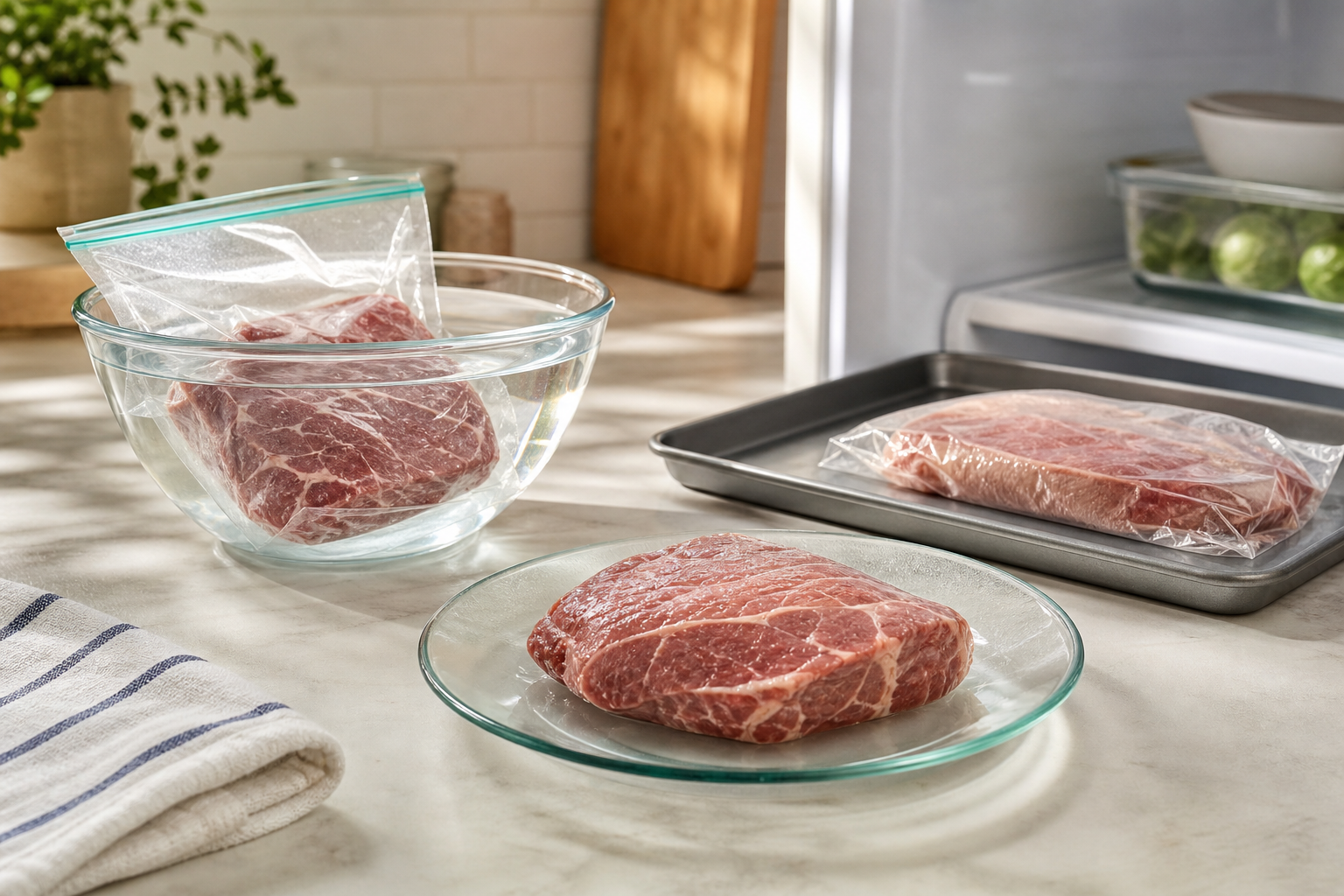
How to Thaw Meat Safely
Guides Technique

How to Thaw Meat Safely: The Three Methods That Work

USDA approves three ways to thaw meat: the fridge, cold water, and the microwave. A pound of ground beef takes about a day in the fridge or about 30 minutes in cold water. The counter isn't on the list.

Dev Patel ·
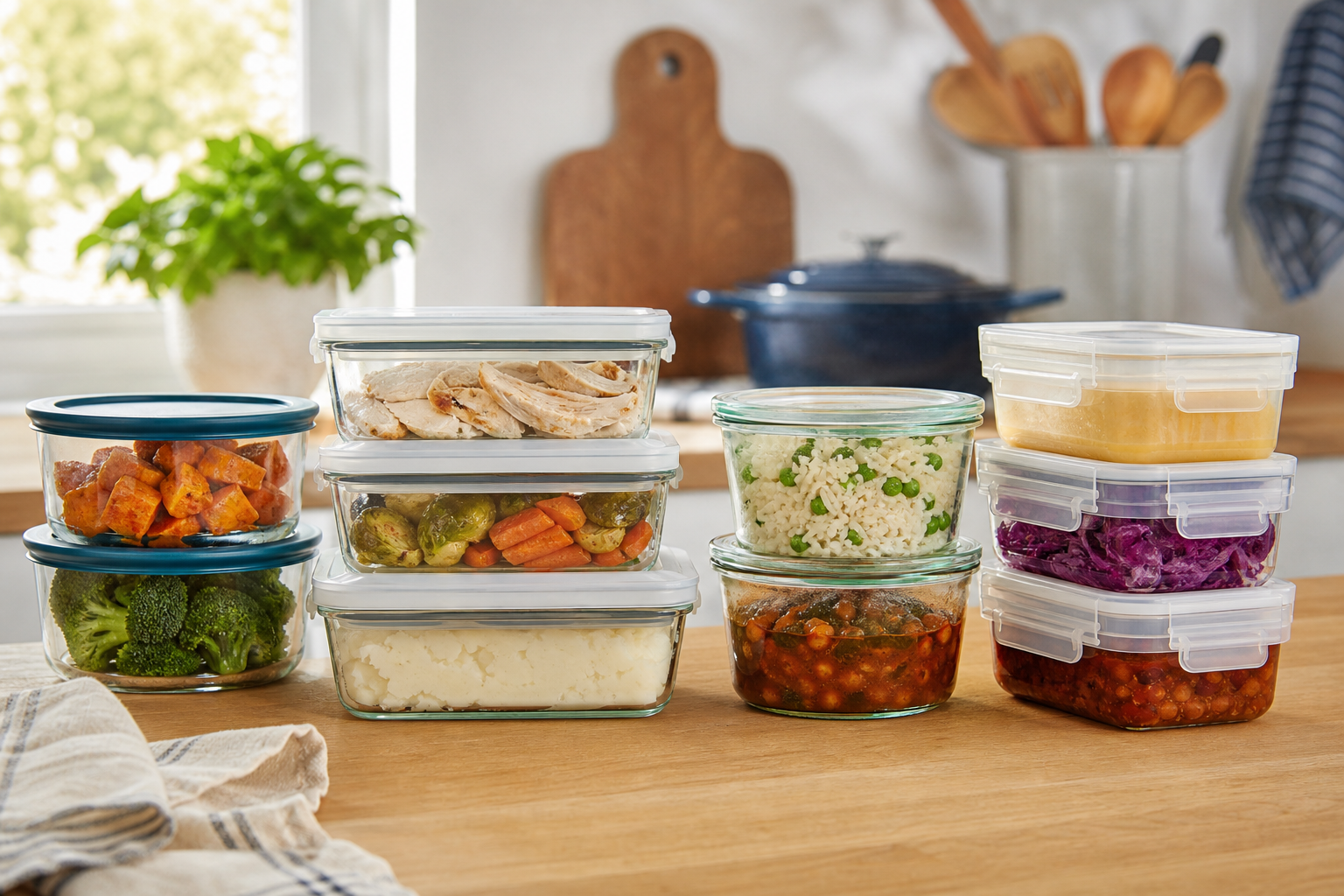
How to Store Leftovers So They Actually Last
Guides Technique

How to Store Leftovers So They Actually Last

Into the fridge within 2 hours, in shallow containers, at 40 °F or below. Eat within 3 to 4 days or freeze. Reheat to 165 °F. Those four numbers from USDA cover almost every leftover you'll make.

Dev Patel ·
Best By vs. Use By vs. Sell By
Guides Shopping

Best By vs. Use By vs. Sell By: What Date Labels Mean

Only one food in the U.S. needs a federally required date: infant formula. Everything else is the maker's call, and most of those dates are about quality. What each phrase means, what actually decides whether food is safe, and how to read an egg carton.

Mara Ellison ·
Serving Sizes
Guides Shopping

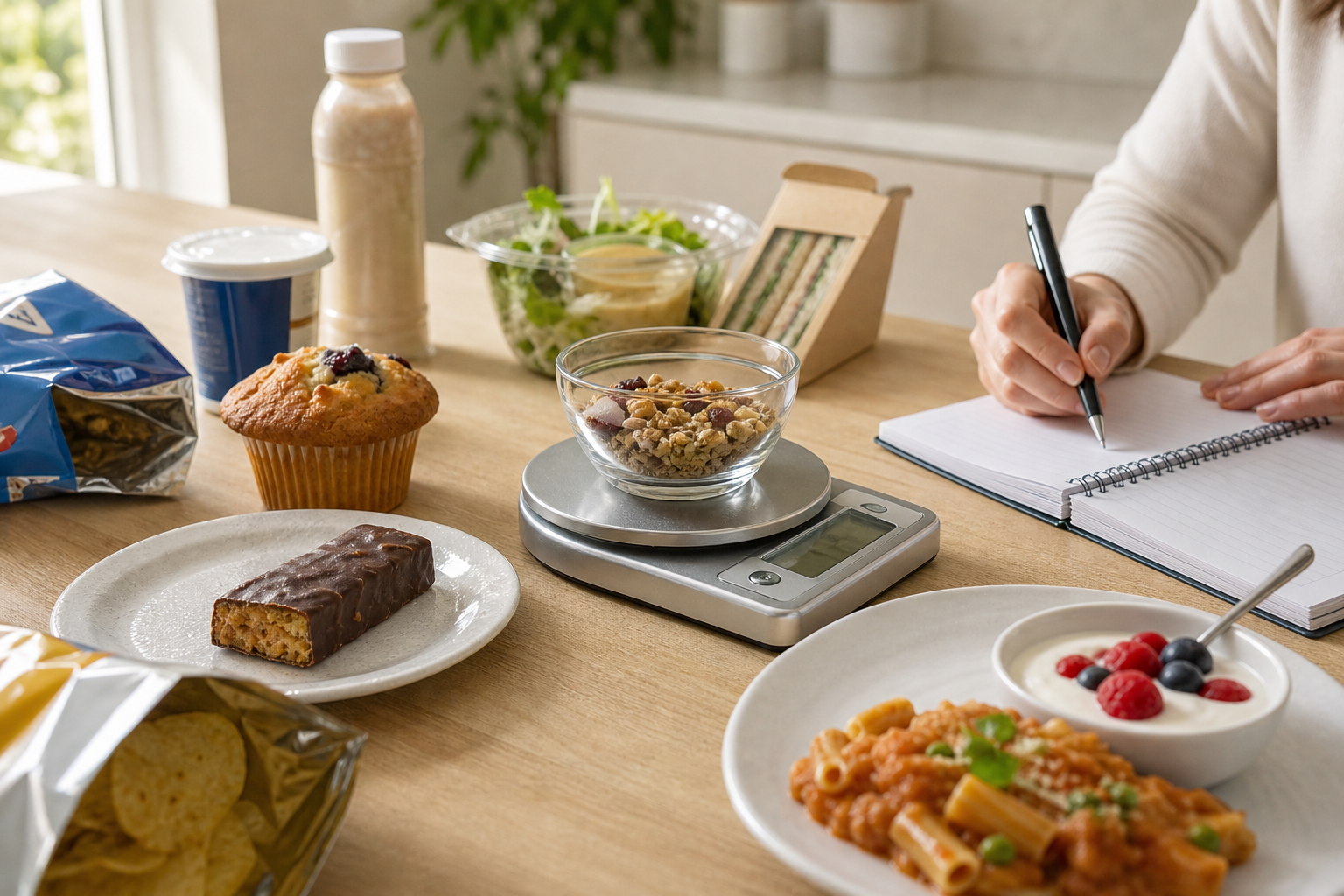
Serving Sizes: Why Your Calorie Count Is Off

A label's serving size is what people typically eat, not what you ate. Ice cream went from 1/2 cup to 2/3 cup in 2016, soda from 8 to 12 ounces, and a 20 oz bottle counts as one serving. How serving sizes are set, and how to log what you actually ate.

Mara Ellison ·
How to Read a Nutrition Facts Label, Line by Line
Guides Shopping

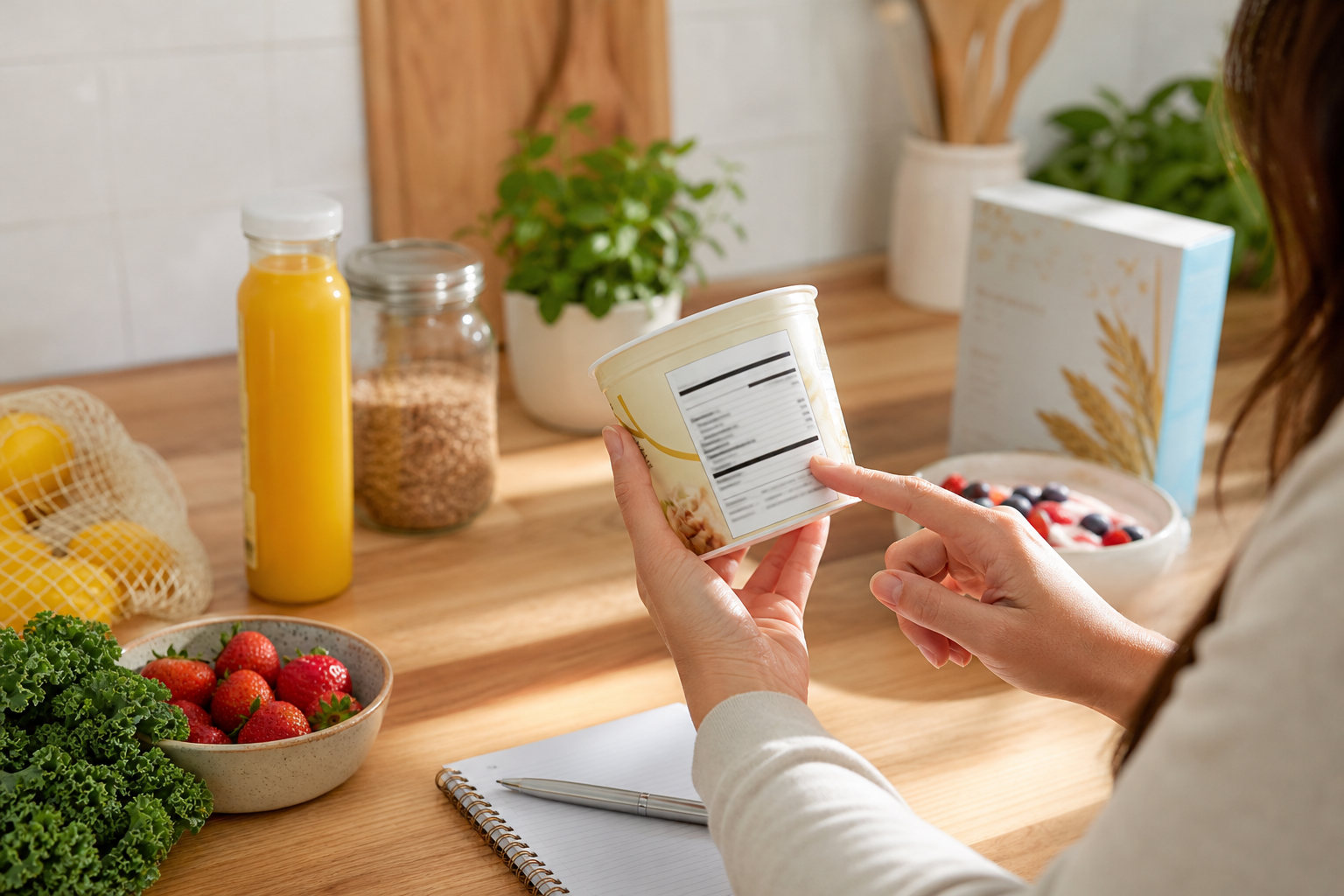
How to Read a Nutrition Facts Label, Line by Line

The panel has 15 lines that matter, and two of them, serving size and servings per container, change every number below. What each line means, what the rounding rules hide, and which %DV figures deserve a second look.

Mara Ellison ·