Skip to content
Food Blog Blog How we test

Guides

Shopping

What is worth buying, what is worth skipping, and what the affiliate link is not telling you.

Labels are written to sell, and the numbers on them are allowed to be wrong by a margin most shoppers never hear about. These pages read the label line by line, price protein by the 30 grams, and explain what organic, natural and non-GMO actually certify. Bring the packet; the guide tells you what the fine print is doing.

Cheapest Protein per 30 g
Guides Shopping

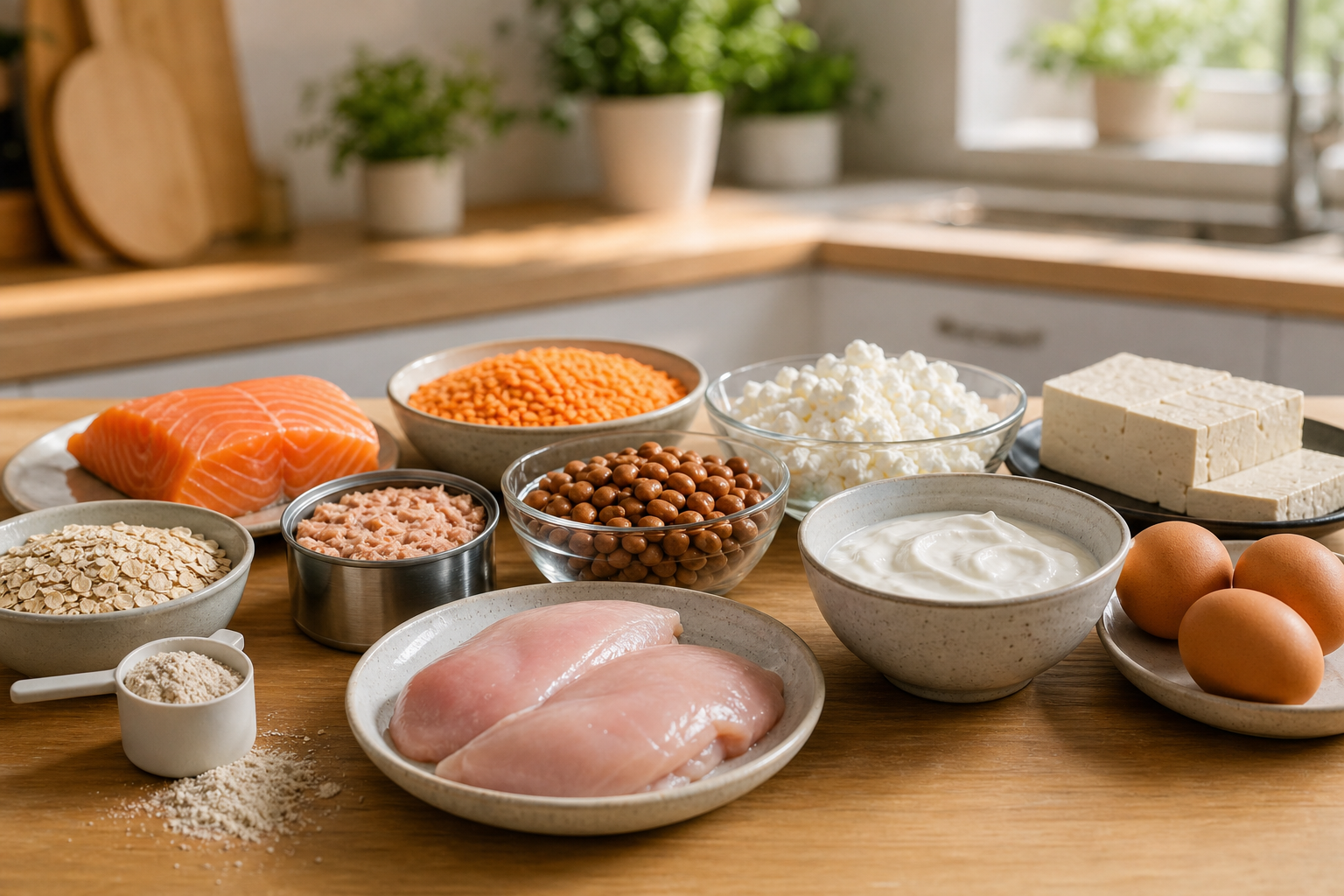
Cheapest Protein per 30 g: What U.S. Prices Say in October 2026

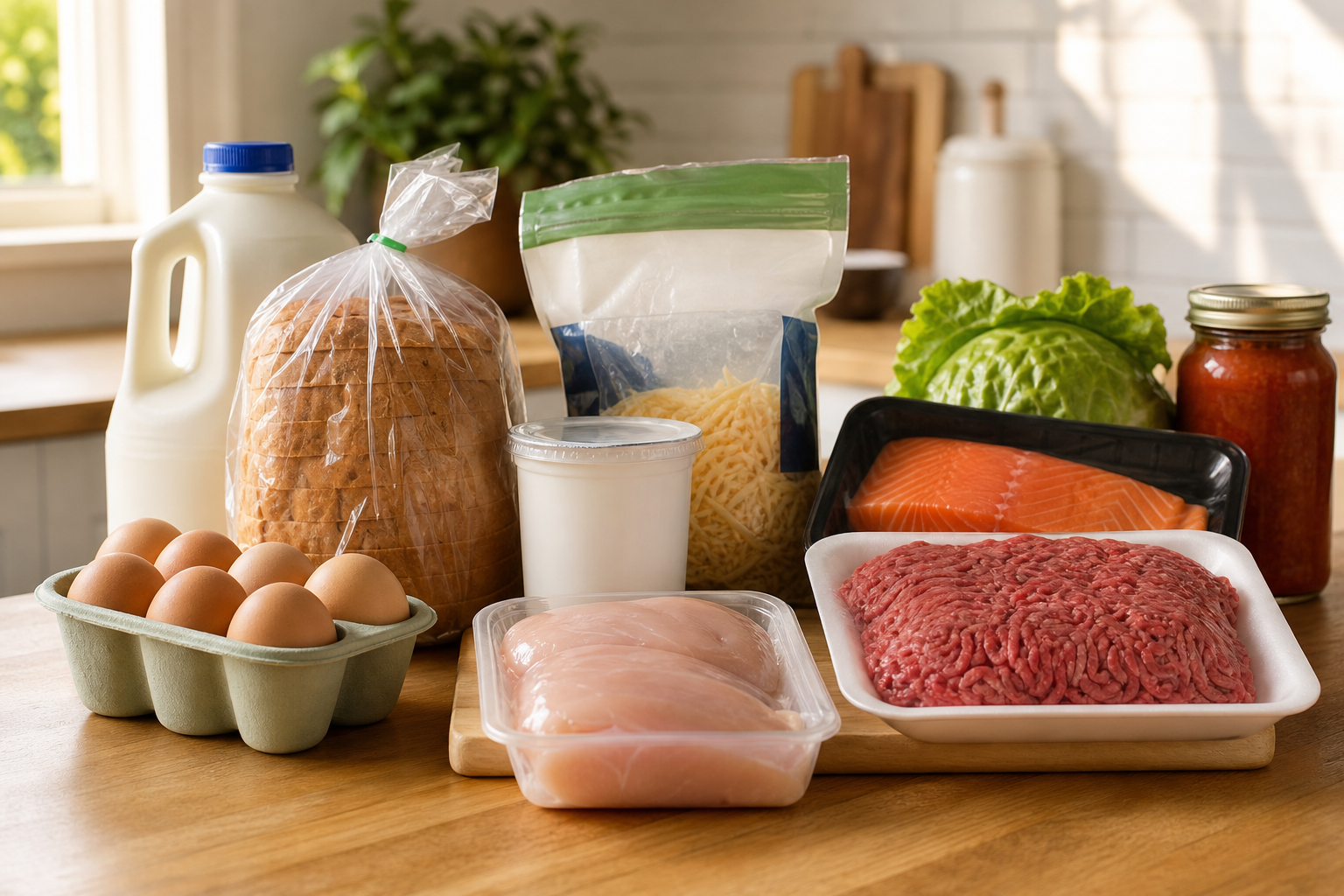
At October 2026 U.S. average prices, 30 g of protein costs $0.51 from dried beans, $0.92 from eggs, $1.20 from chicken breast and $2.60 from ground beef. The cheapest protein comes with 474 calories; chicken breast's comes with 160.

Mara Ellison ·
How Accurate Are the Calories on Food Labels?
Guides Shopping

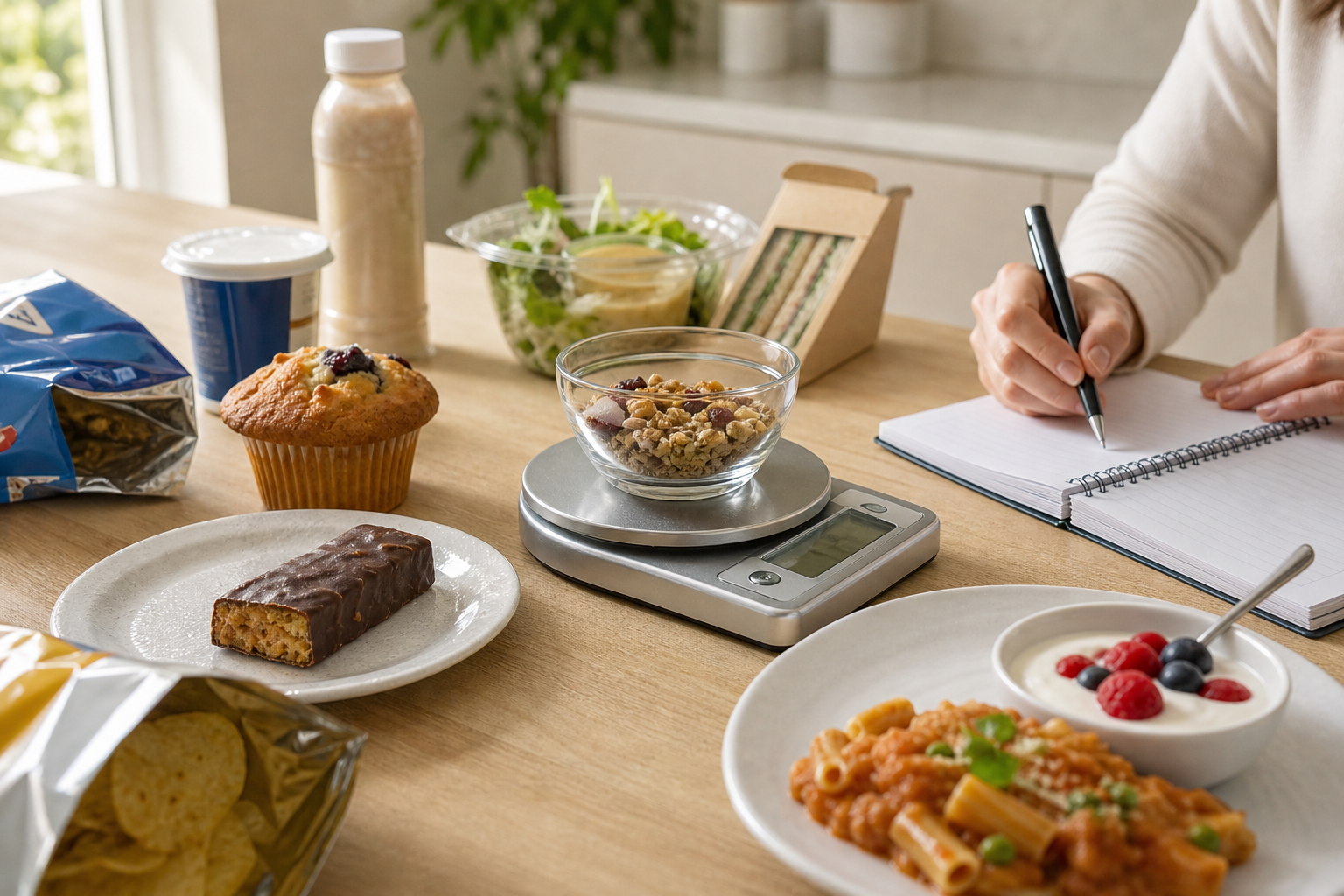
How Accurate Are the Calories on Food Labels?

FDA lets a product carry up to 20% more calories than its label says before it counts as misbranded, and there is no penalty for overstating. Studies have found frozen meals 8% over, restaurant food 18% over, and almonds 32% under. What that does to your log.

Mara Ellison ·
Organic, Natural, Non-GMO
Guides Shopping

Organic, Natural, Non-GMO: Which Labels Mean Anything

USDA Organic is a federal standard with inspections and a 95% ingredient threshold. 'Natural' has no formal FDA definition. Non-GMO Project Verified is a private seal. None of them changes a single calorie. What each claim guarantees, and what it doesn't.

Mara Ellison ·
Best By vs. Use By vs. Sell By
Guides Shopping

Best By vs. Use By vs. Sell By: What Date Labels Mean

Only one food in the U.S. needs a federally required date: infant formula. Everything else is the maker's call, and most of those dates are about quality. What each phrase means, what actually decides whether food is safe, and how to read an egg carton.

Mara Ellison ·
Serving Sizes
Guides Shopping

Serving Sizes: Why Your Calorie Count Is Off

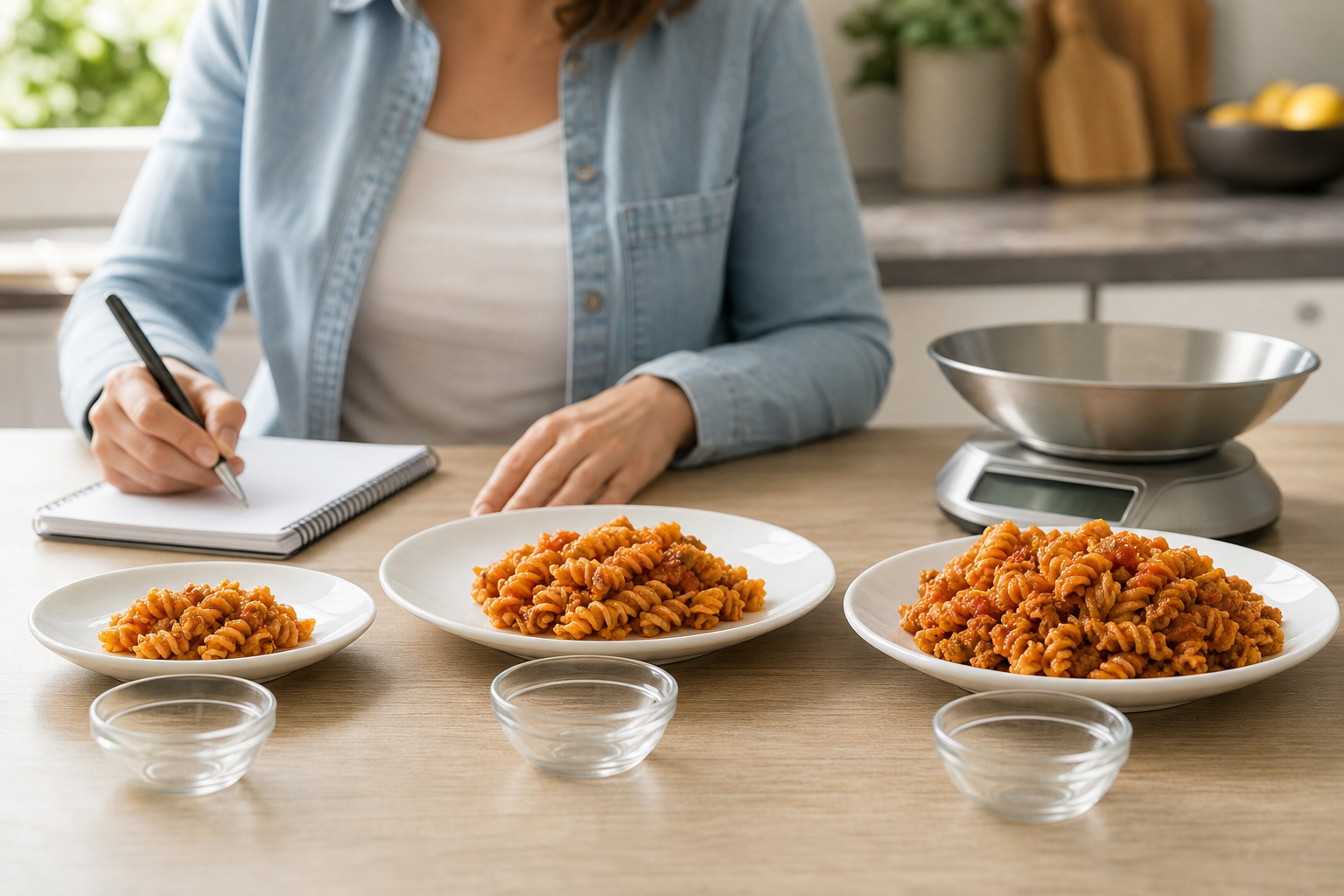
A label's serving size is what people typically eat, not what you ate. Ice cream went from 1/2 cup to 2/3 cup in 2016, soda from 8 to 12 ounces, and a 20 oz bottle counts as one serving. How serving sizes are set, and how to log what you actually ate.

Mara Ellison ·
How to Read a Nutrition Facts Label, Line by Line
Guides Shopping

How to Read a Nutrition Facts Label, Line by Line

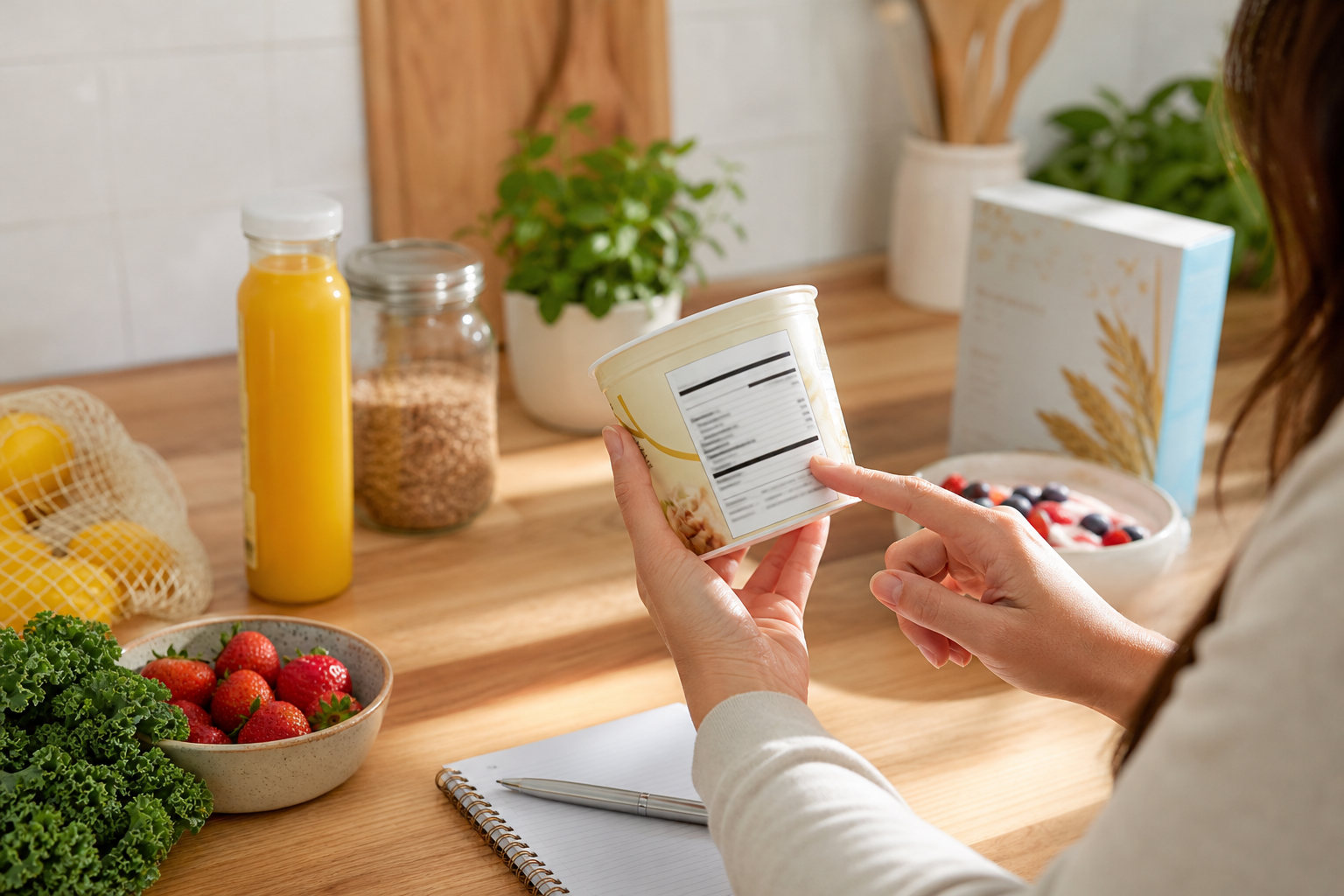
The panel has 15 lines that matter, and two of them, serving size and servings per container, change every number below. What each line means, what the rounding rules hide, and which %DV figures deserve a second look.

Mara Ellison ·