Skip to content
Food Blog Blog How we test

Archive

All posts

45 pieces, most recent first. Tests, comparisons, guides and the reference tables, in one list.

Updated Nov 10, 2026

November 2026

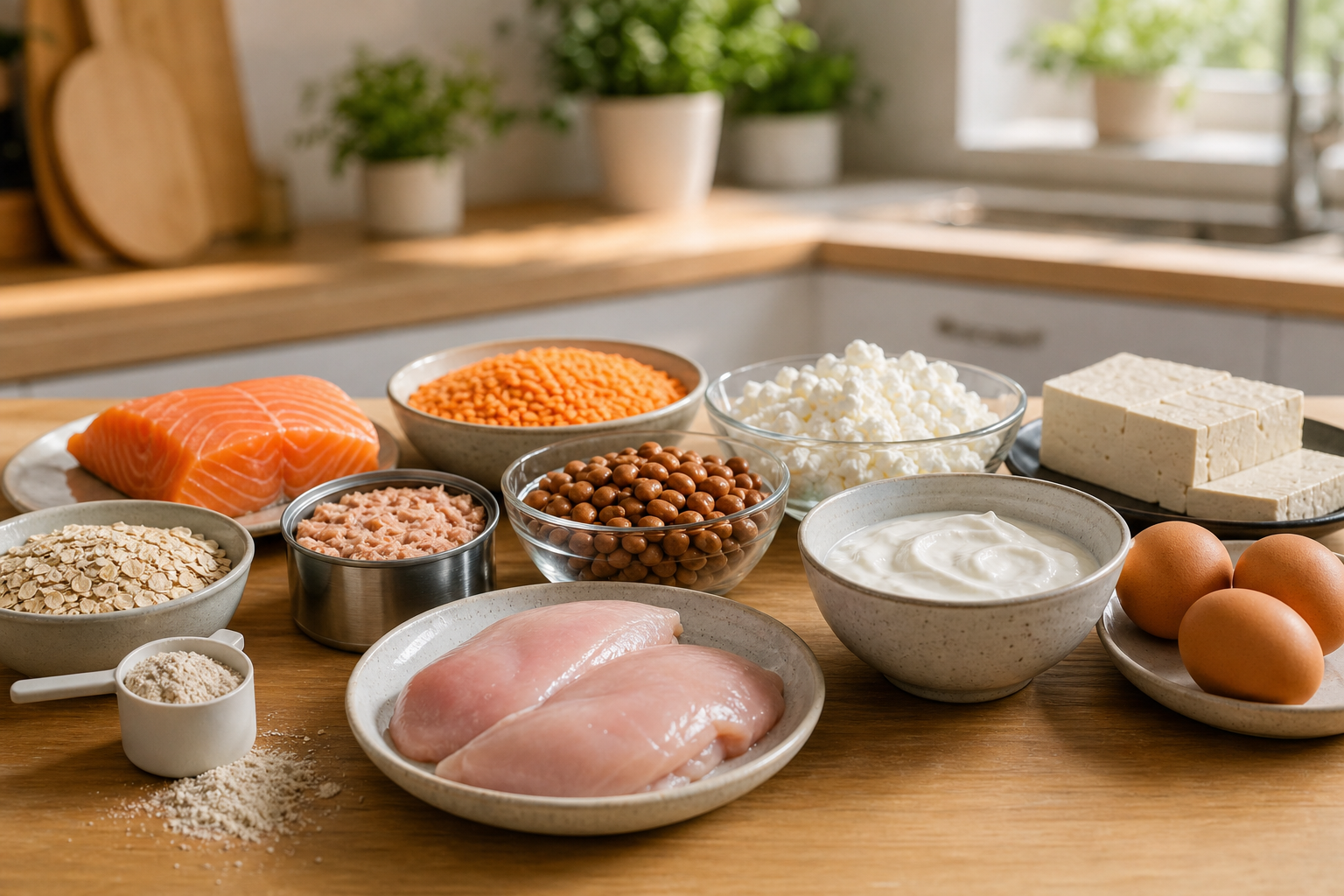
Cheapest Protein per 30 g
Guides Shopping

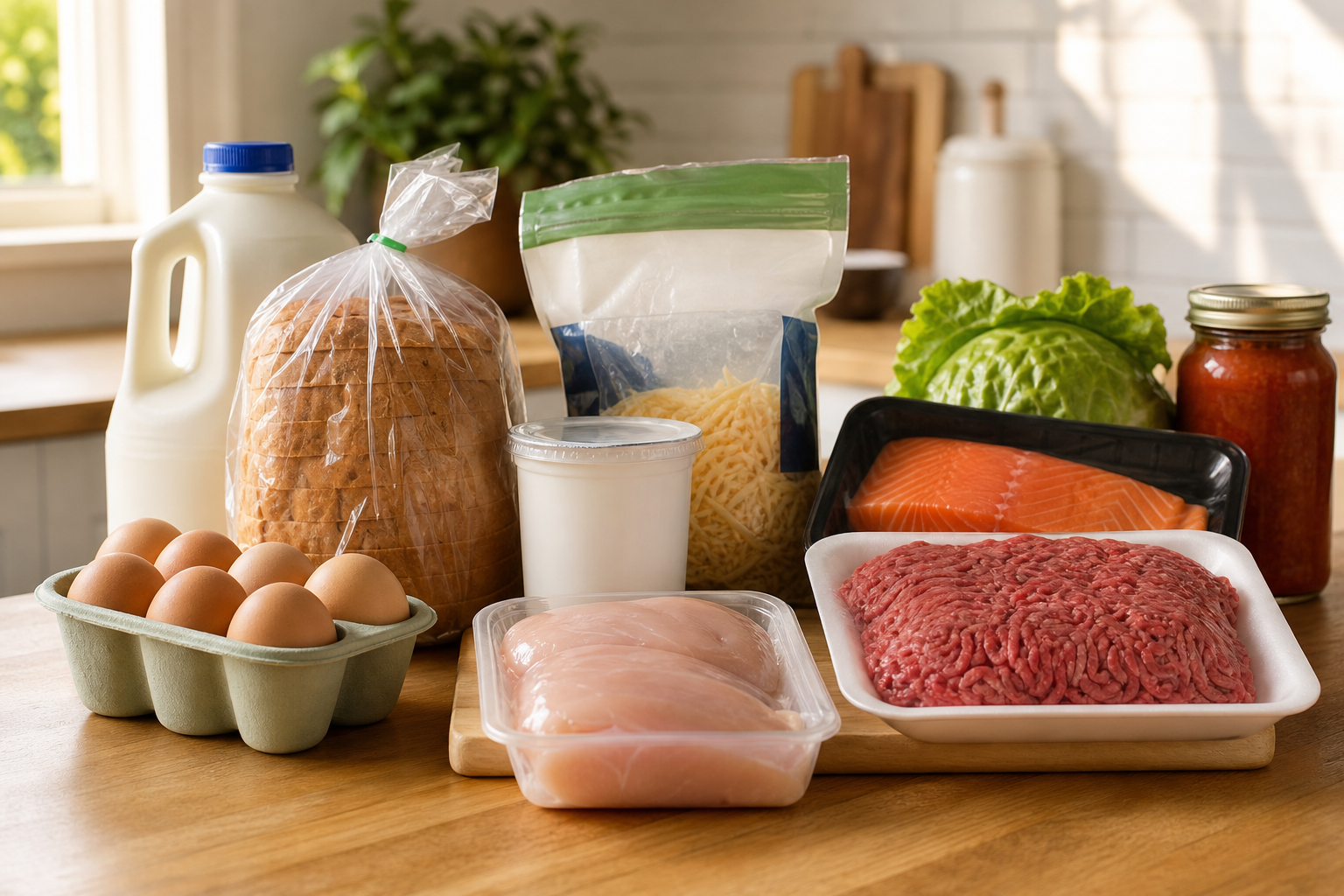
Cheapest Protein per 30 g: What U.S. Prices Say in October 2026

At October 2026 U.S. average prices, 30 g of protein costs $0.51 from dried beans, $0.92 from eggs, $1.20 from chicken breast and $2.60 from ground beef. The cheapest protein comes with 474 calories; chicken breast's comes with 160.

Mara Ellison ·
September 2026

Vacuum sealer vs zip-top bags
Guides Kitchen gear

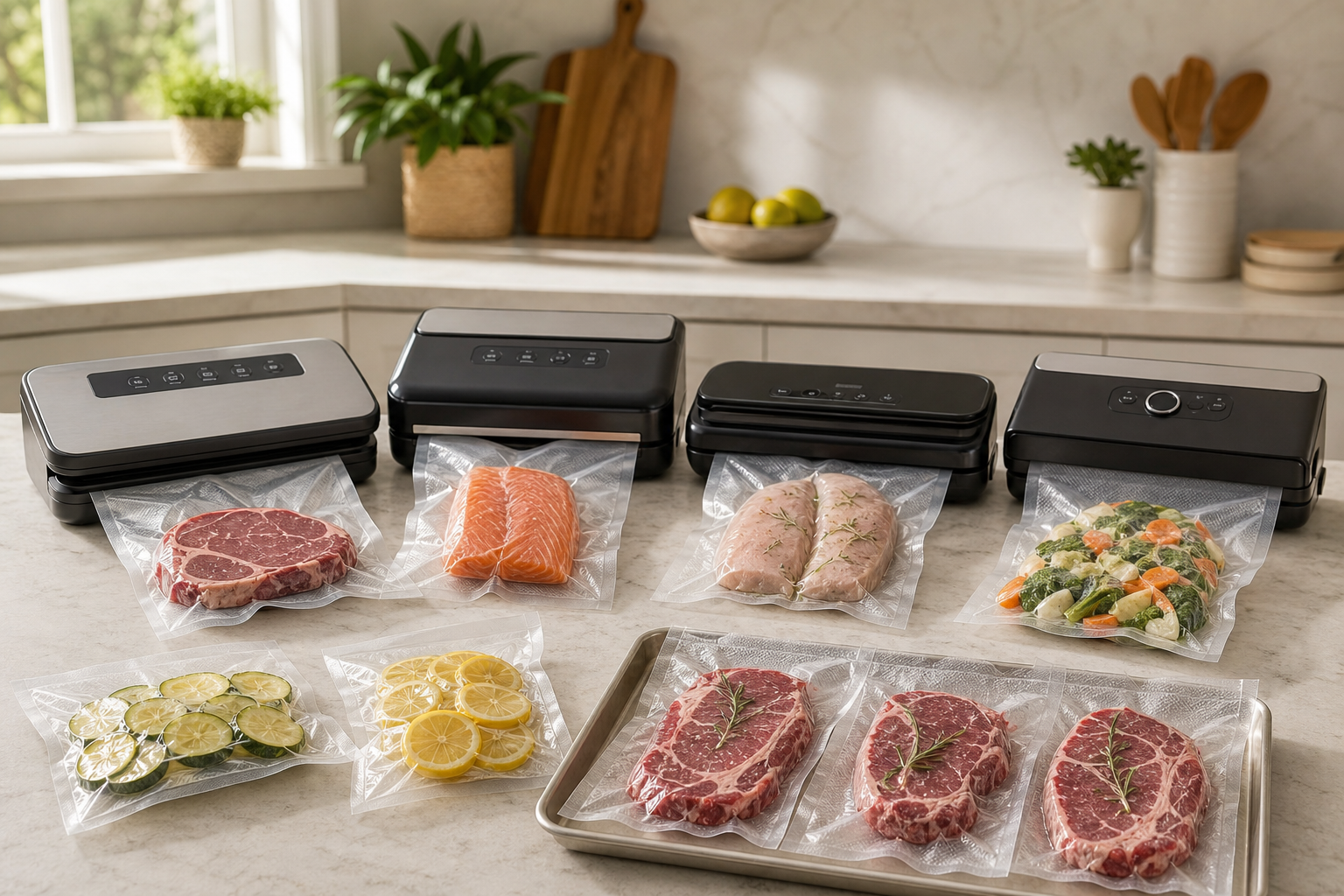
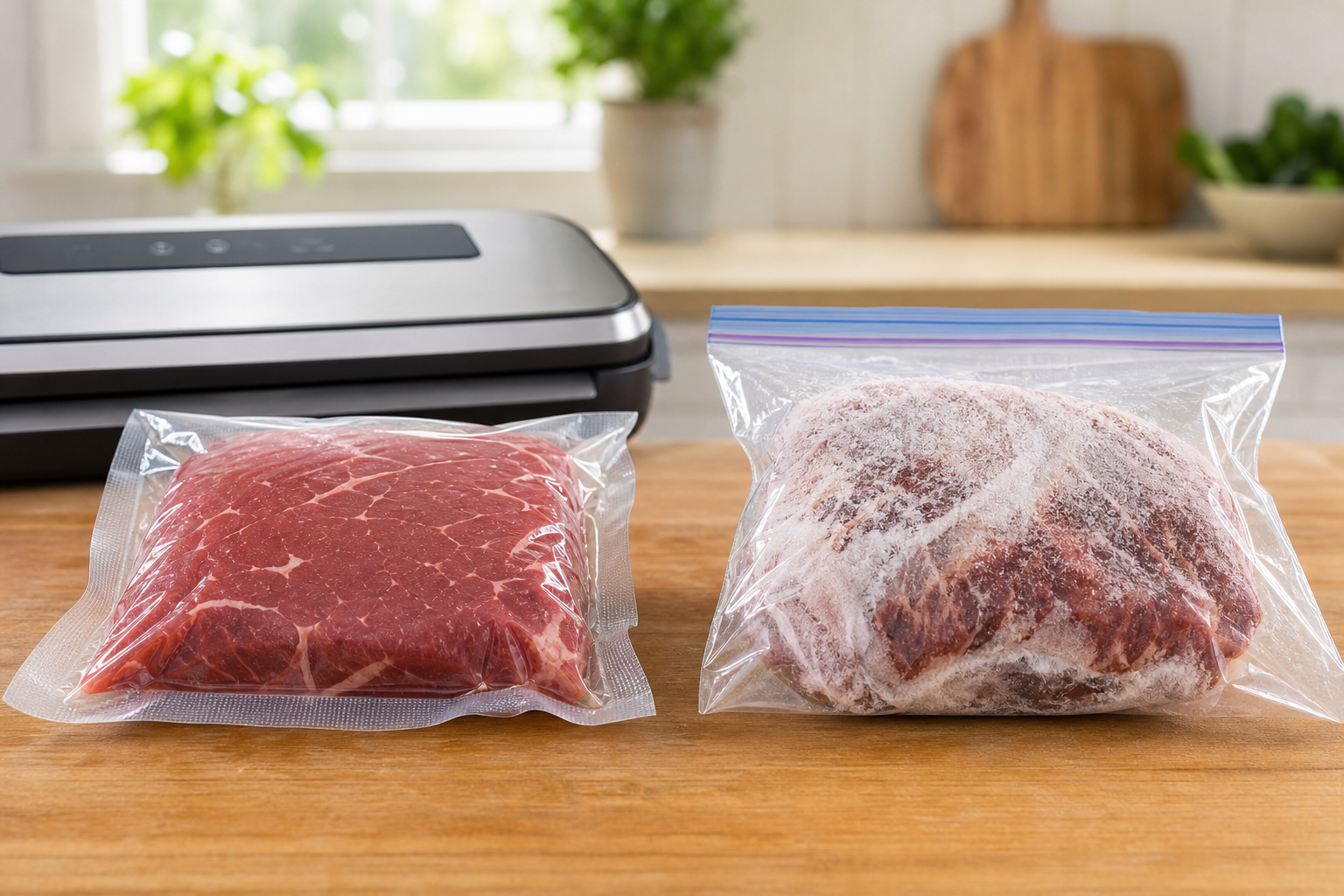
Vacuum sealer vs zip-top bags: 2% vs 31% freezer burn after 90 days

We froze food for 90 days in vacuum-sealed bags and in zip-top bags. Sealed food showed 2% freezer burn and lost 4 g of moisture, with no failed seals in 20. In zip-top bags: 31% freezer burn, 18 g lost, and 3 of 20 seals failed.

Dev Patel ·

August 2026

July 2026

June 2026

May 2026

Best air fryers
Compare Kitchen gear

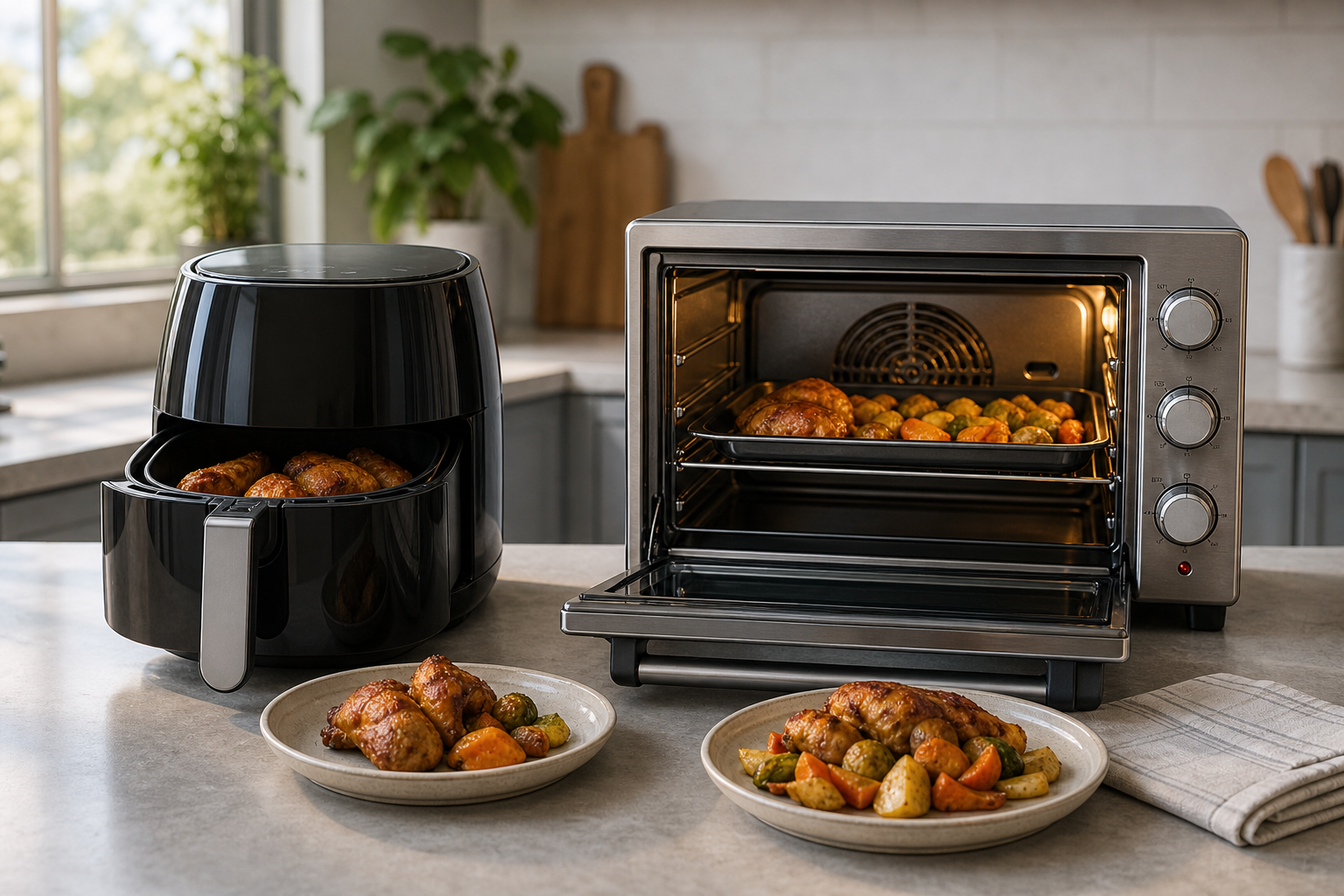
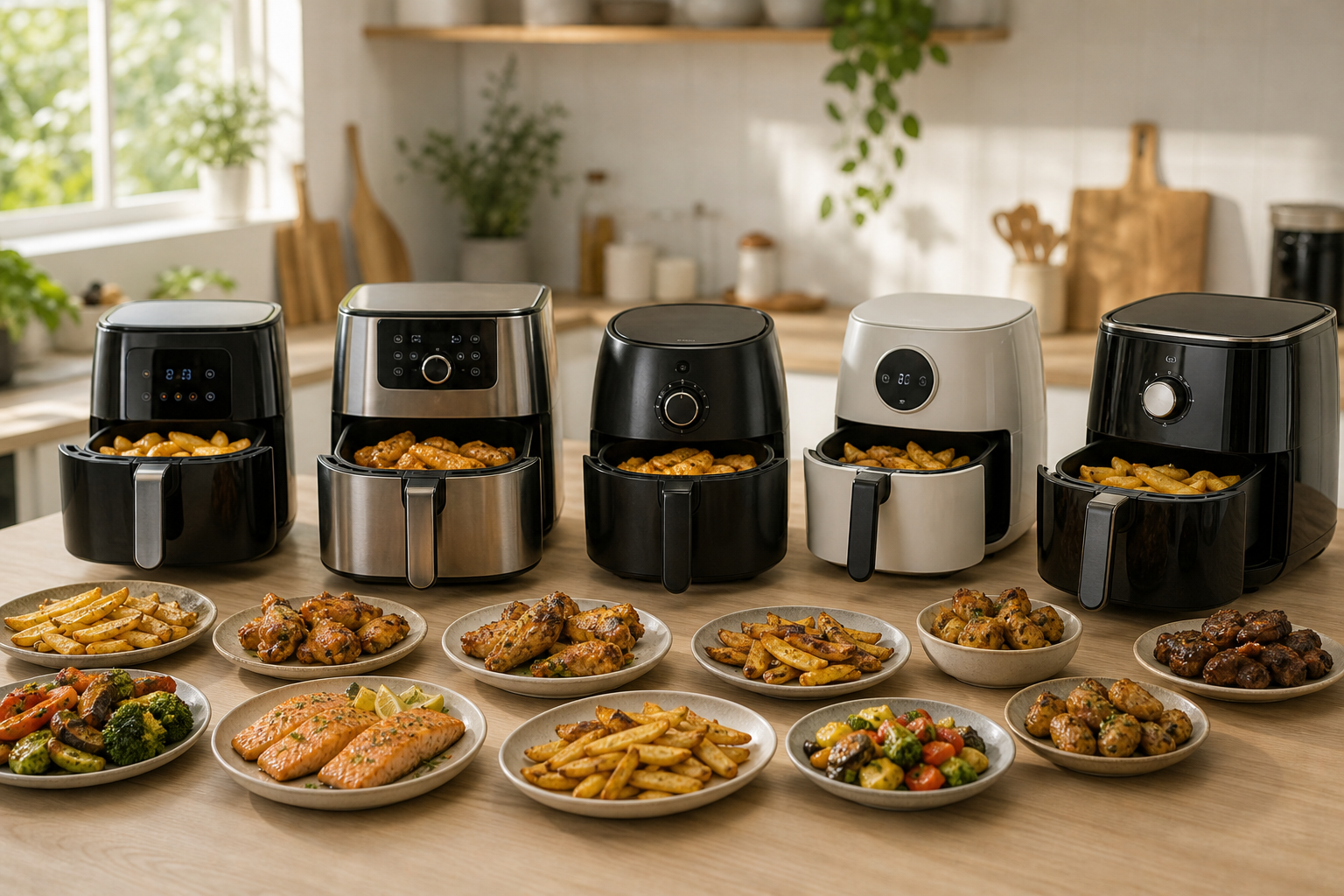
Best air fryers: 5 tested over 40 batches, 71% to 91% even

We ran 40 batches through five air fryers with a probe in the food. The $179 Halo XL cooked most evenly, 91%, with the hottest basket, 200 °C, and scored 8.7. The $120 Crisp 5 hit 88% for $59 less. The $69 Fry Mini burned edges.

Dev Patel · 8.7 /10

April 2026

How Accurate Are the Calories on Food Labels?
Guides Shopping

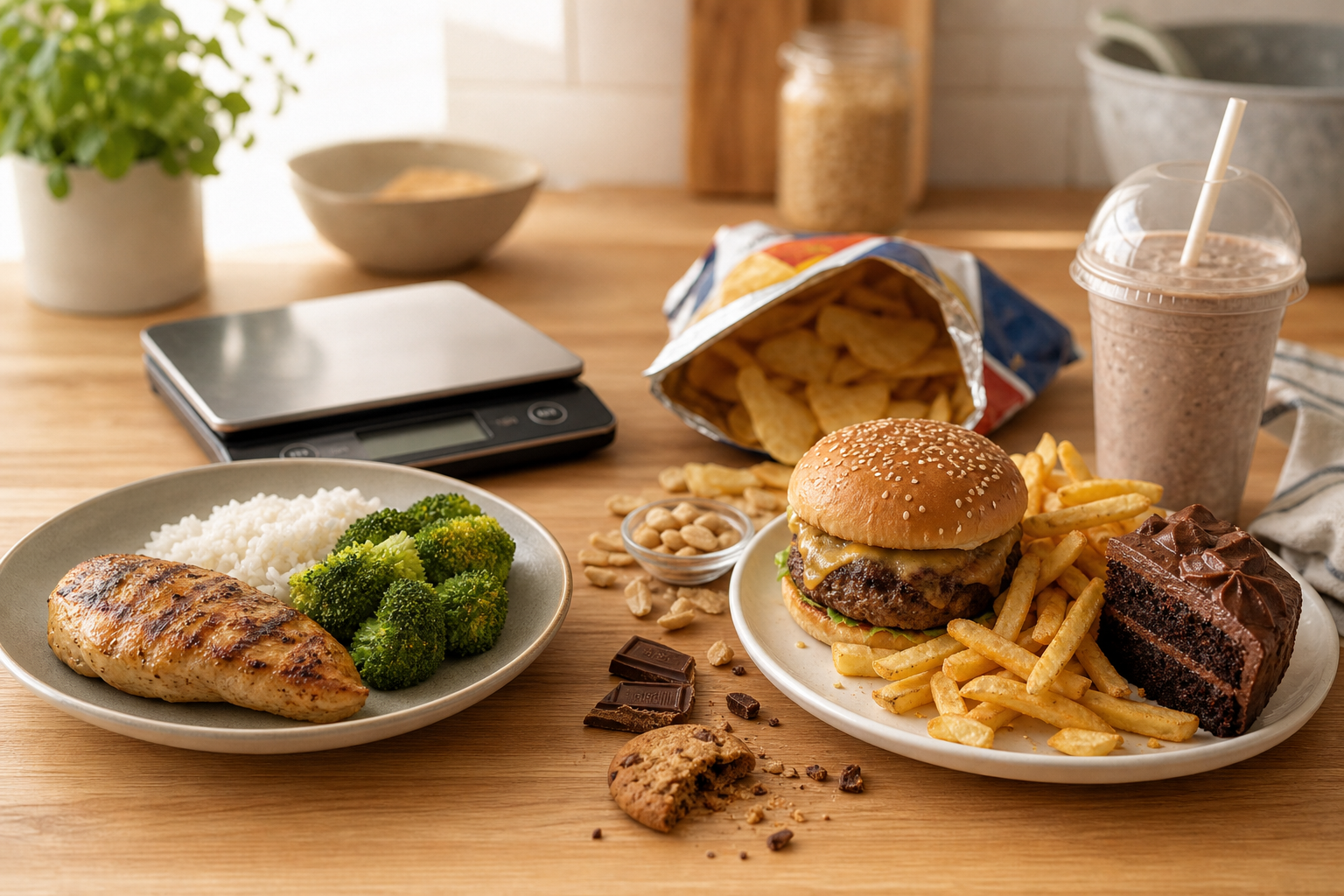
How Accurate Are the Calories on Food Labels?

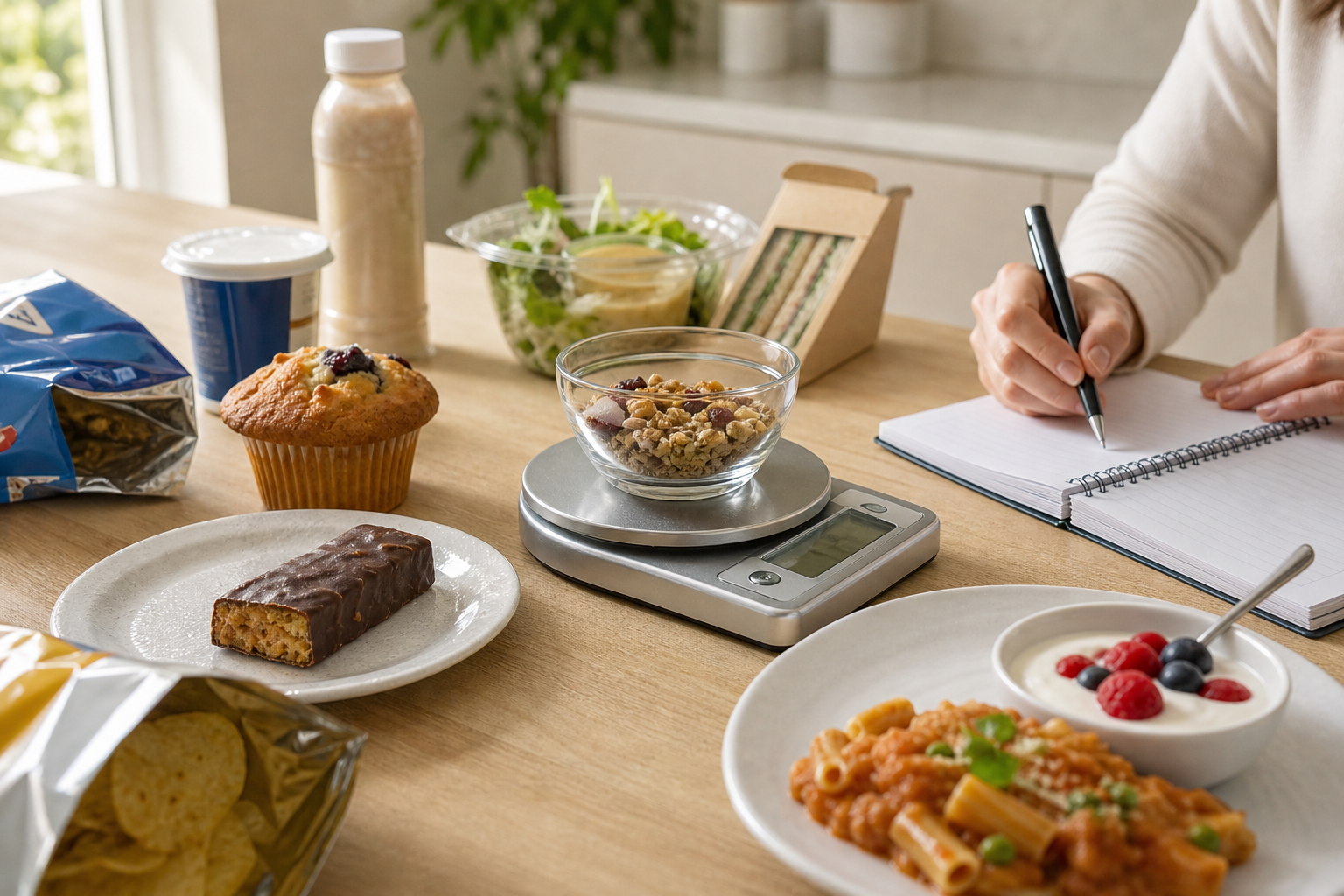
FDA lets a product carry up to 20% more calories than its label says before it counts as misbranded, and there is no penalty for overstating. Studies have found frozen meals 8% over, restaurant food 18% over, and almonds 32% under. What that does to your log.

Mara Ellison ·
March 2026

How to log home-cooked recipes in any calorie app
Guides Nutrition apps

How to log home-cooked recipes in any calorie app

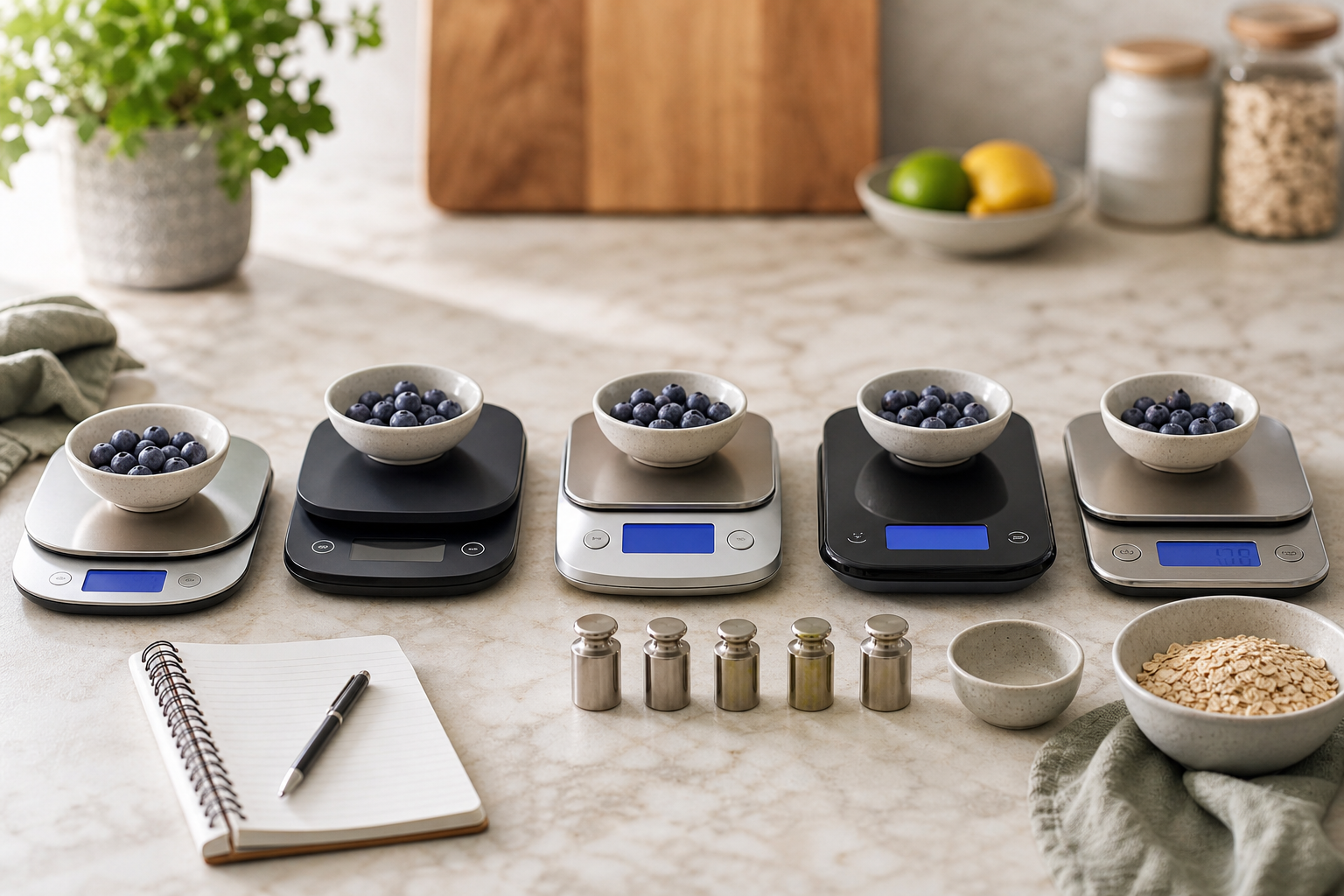
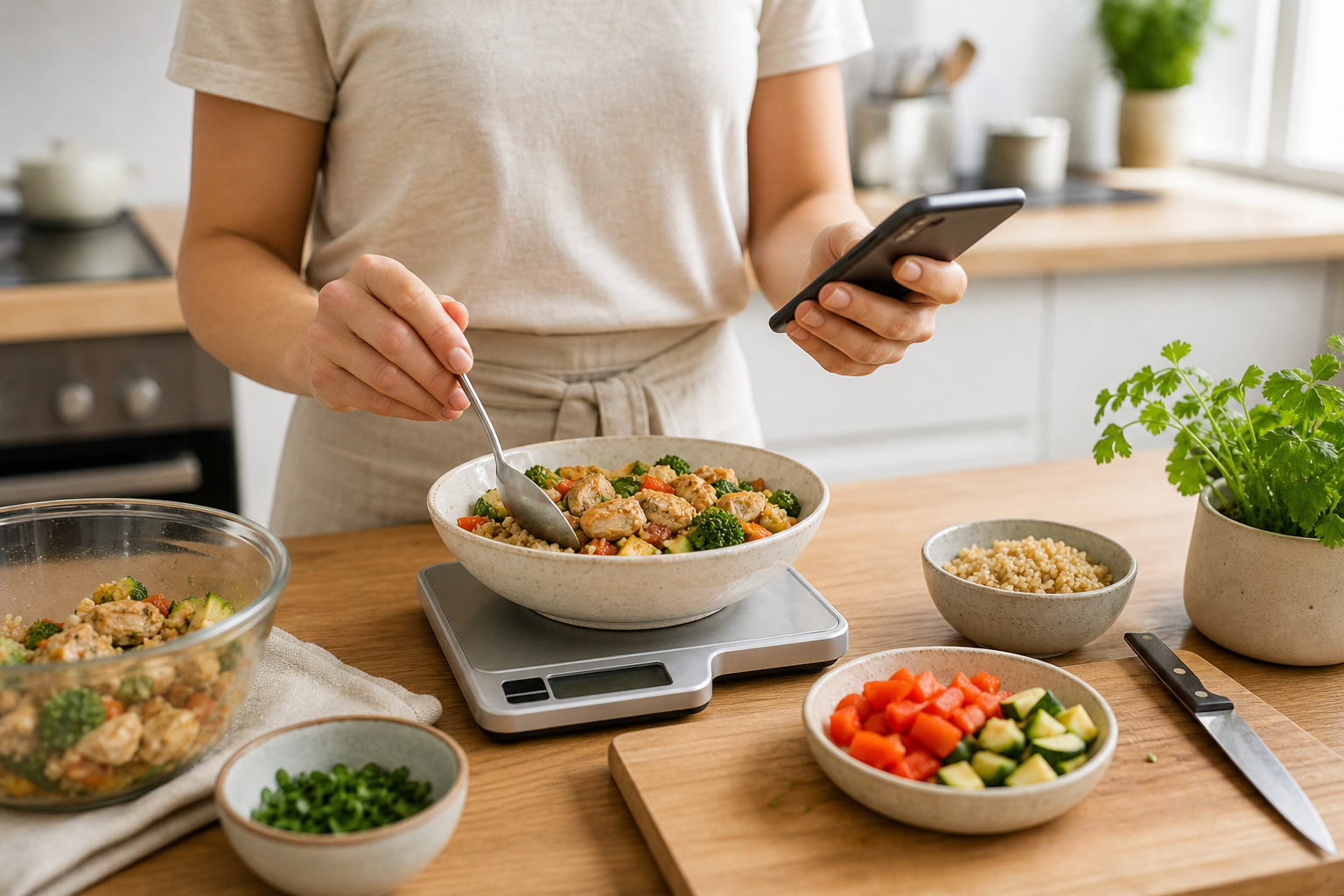
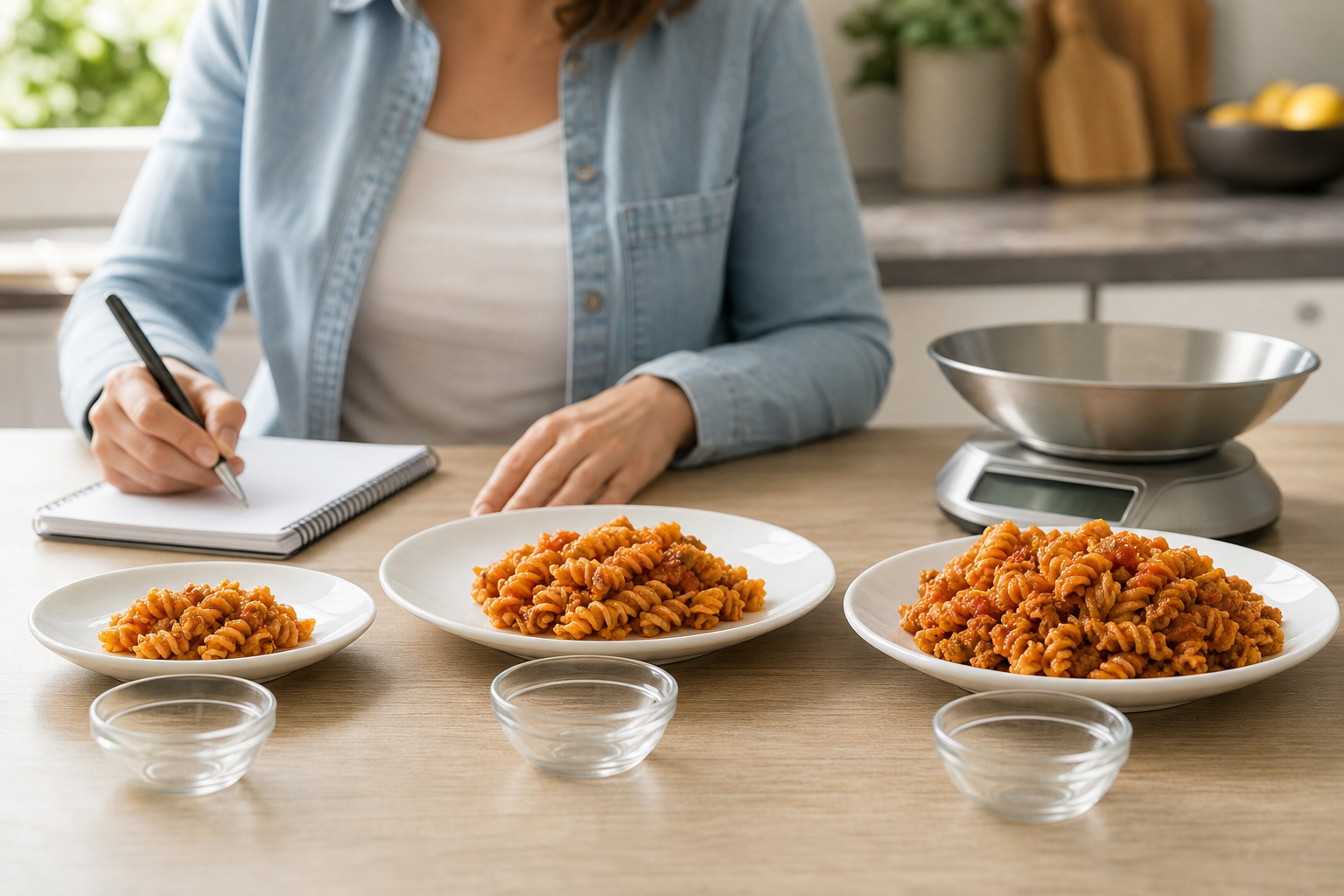
Weigh every raw ingredient, oil included, weigh the finished pot, and log your bowl by the gram. It works in any app with a diary, and it removes the biggest guess in a home-cooked log: what one serving weighs.

Cass Rivera ·

February 2026

Calorie Tracking Glossary
Reference Nutrition apps

Calorie Tracking Glossary: TDEE, NEAT, Macros and the Rest

TDEE, BMR, NEAT, TEF, AMDR, RACC, %DV: the terms calorie apps and food labels throw at you, each defined in a line, with the figures that go with them: 4-4-9, 4.184 kJ, 0.8 g per kg, 2,000 calories.

Mara Ellison ·
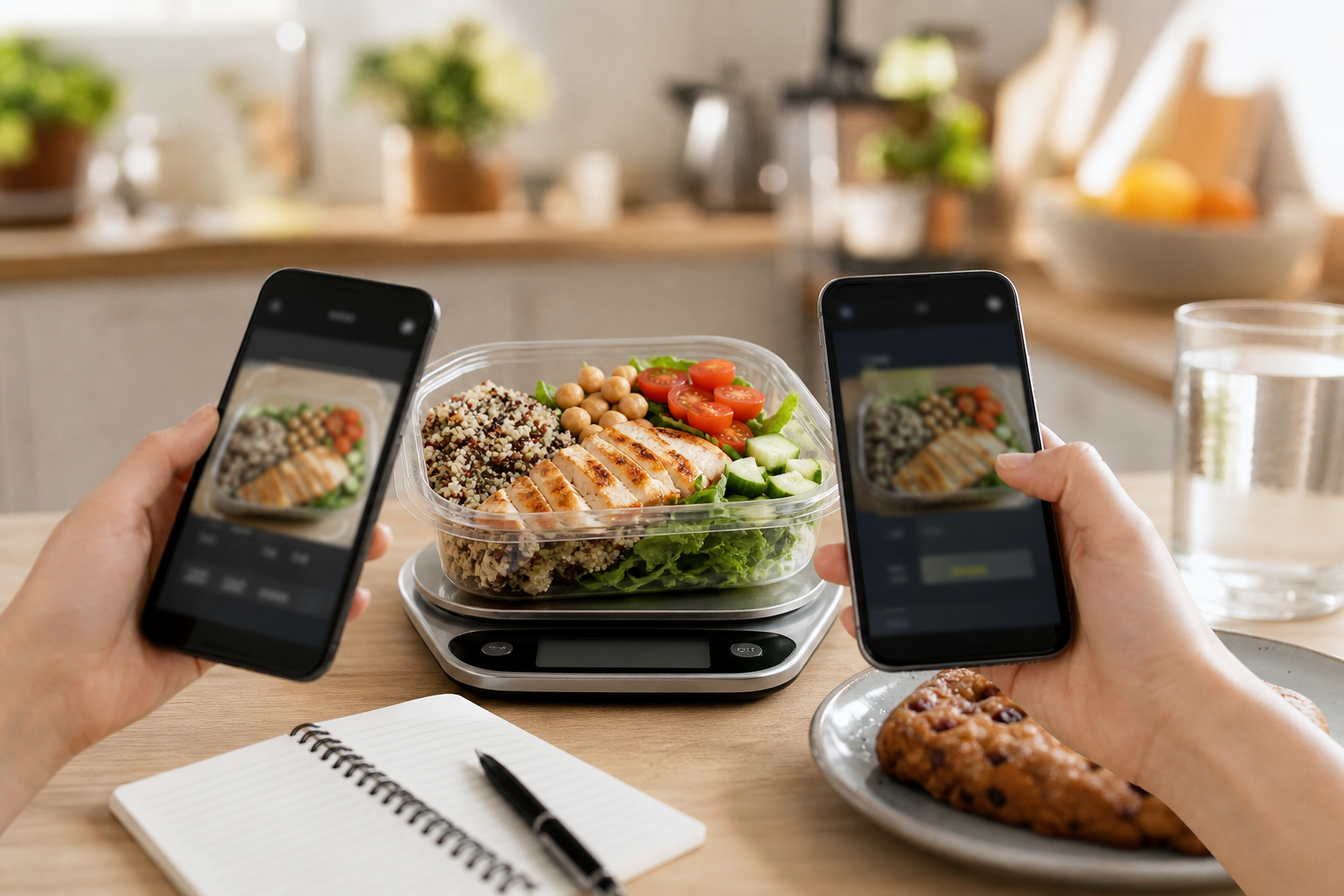
PlateLens review
Reviews Nutrition apps

PlateLens review: 4.4% calorie error and 38 seconds per entry over 30 days

PlateLens had the lowest measured error of the eight apps we ran for 30 days, level with MacroFactor inside the margin, the fastest entries and 97 of 100 barcodes right. Its photo route was off by 10.6%, and the free tier caps photos at three a day.

Cass Rivera · 9.2 /10

January 2026

YAZIO review
Reviews Nutrition apps

YAZIO review: a 64-second diary with a 15.5% calorie error

YAZIO was the second-fastest app to log in our 30-day test, at 64 seconds per entry. It was also the second-least accurate: 15.5% average calorie error against USDA data, and 14 of 100 barcodes came back as the wrong product.

Cass Rivera · 7.9 /10
Organic, Natural, Non-GMO
Guides Shopping

Organic, Natural, Non-GMO: Which Labels Mean Anything

USDA Organic is a federal standard with inspections and a 95% ingredient threshold. 'Natural' has no formal FDA definition. Non-GMO Project Verified is a private seal. None of them changes a single calorie. What each claim guarantees, and what it doesn't.

Mara Ellison ·
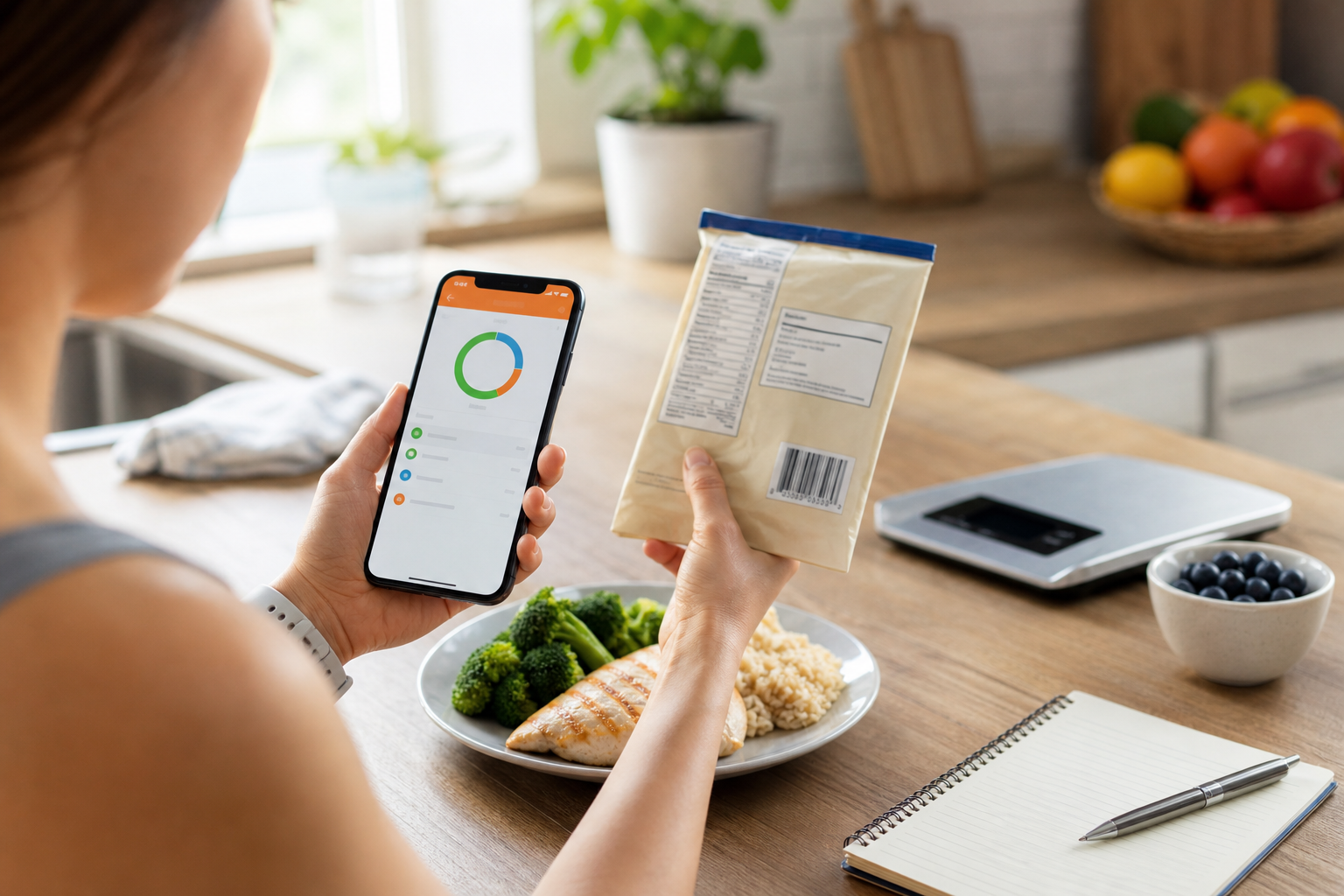
December 2025

MyFitnessPal review
Reviews Nutrition apps

MyFitnessPal review: the biggest database, an 11.5% calorie error

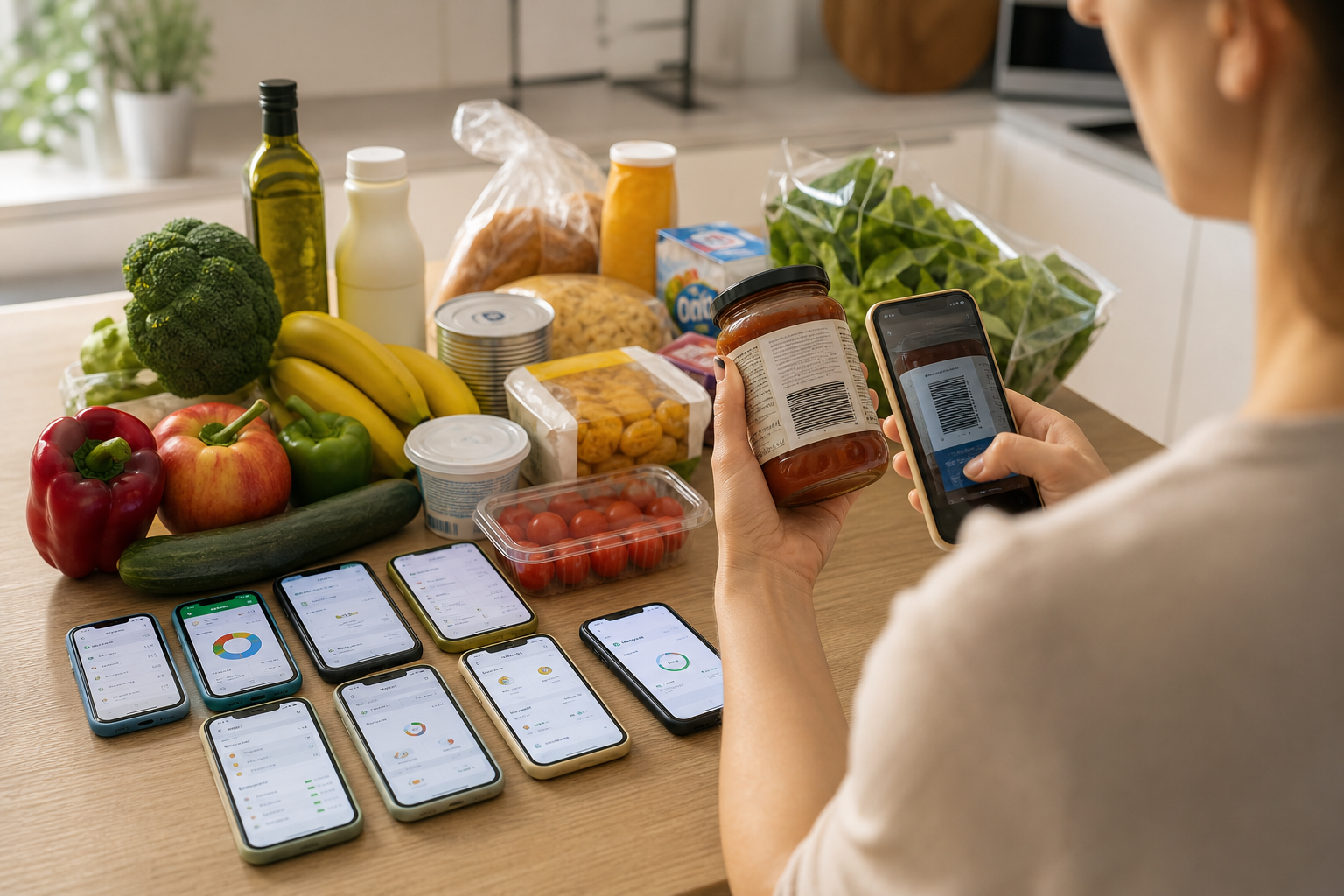
MyFitnessPal has the largest food catalog we tested, by declared size, and lists restaurant dishes. Over 30 days it averaged an 11.5% calorie error, took 82 seconds per entry, and kept its barcode scanner behind the $79.99 Premium.

Cass Rivera · 7.4 /10

September 2025

Hidden Calories
Reference Shopping

Hidden Calories: Oils, Butters and Sauces per Tablespoon

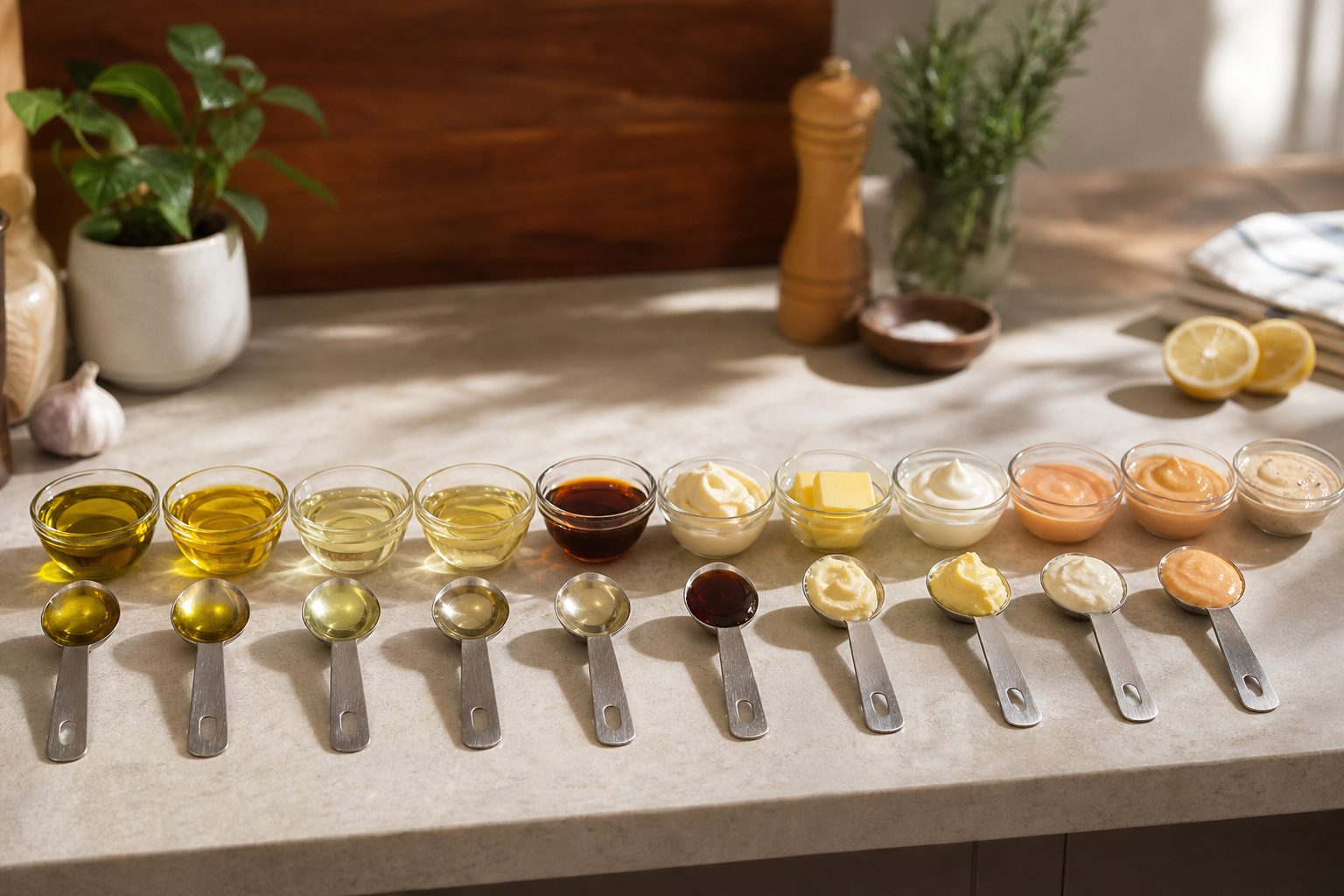
A tablespoon of olive oil is 119 calories, butter 102, mayonnaise 94, peanut butter about 95. Ketchup is about 20. Per-tablespoon figures for 23 fats, spreads and sauces, and what a heaped spoon adds to each.

Mara Ellison ·
Safe Internal Cooking Temperatures Chart
Reference Technique

Safe Internal Cooking Temperatures Chart

Four numbers cover almost everything: 145 °F for whole cuts and fish, 160 °F for ground meat and egg dishes, 165 °F for all poultry and leftovers, 140 °F to reheat a packaged cooked ham. In Fahrenheit and Celsius, with rest times.

Mara Ellison ·
August 2025

Fridge and Freezer Storage Times Chart
Reference Technique

Fridge and Freezer Storage Times Chart

Raw ground meat keeps 1–2 days in a 40 °F fridge, leftovers 3–4, fresh steaks 3–5. In a 0 °F freezer food stays safe indefinitely, and the months below are for quality. The USDA chart in one table.

Mara Ellison ·
July 2025

Cups to Grams by Ingredient
Reference Technique

Cups to Grams by Ingredient

A cup of all-purpose flour is 125 g by USDA's figure and 120 g by King Arthur's. A cup of honey is 339 g, 2.7 times as heavy. USDA cup weights for 34 ingredients, and why the way you fill the cup changes the number.

Mara Ellison ·
Raw to Cooked Weight Conversion Table
Reference Technique

Raw to Cooked Weight Conversion Table

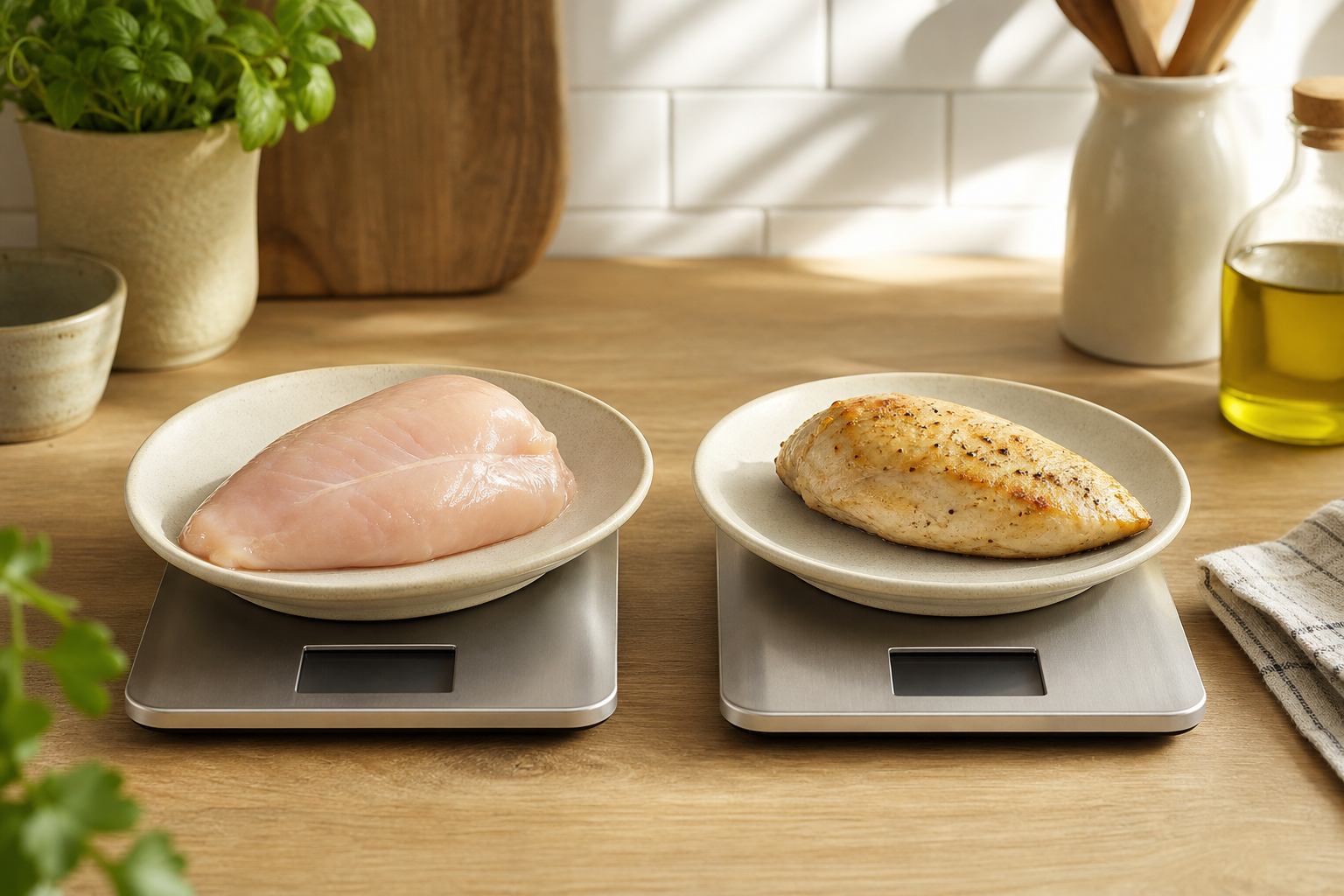
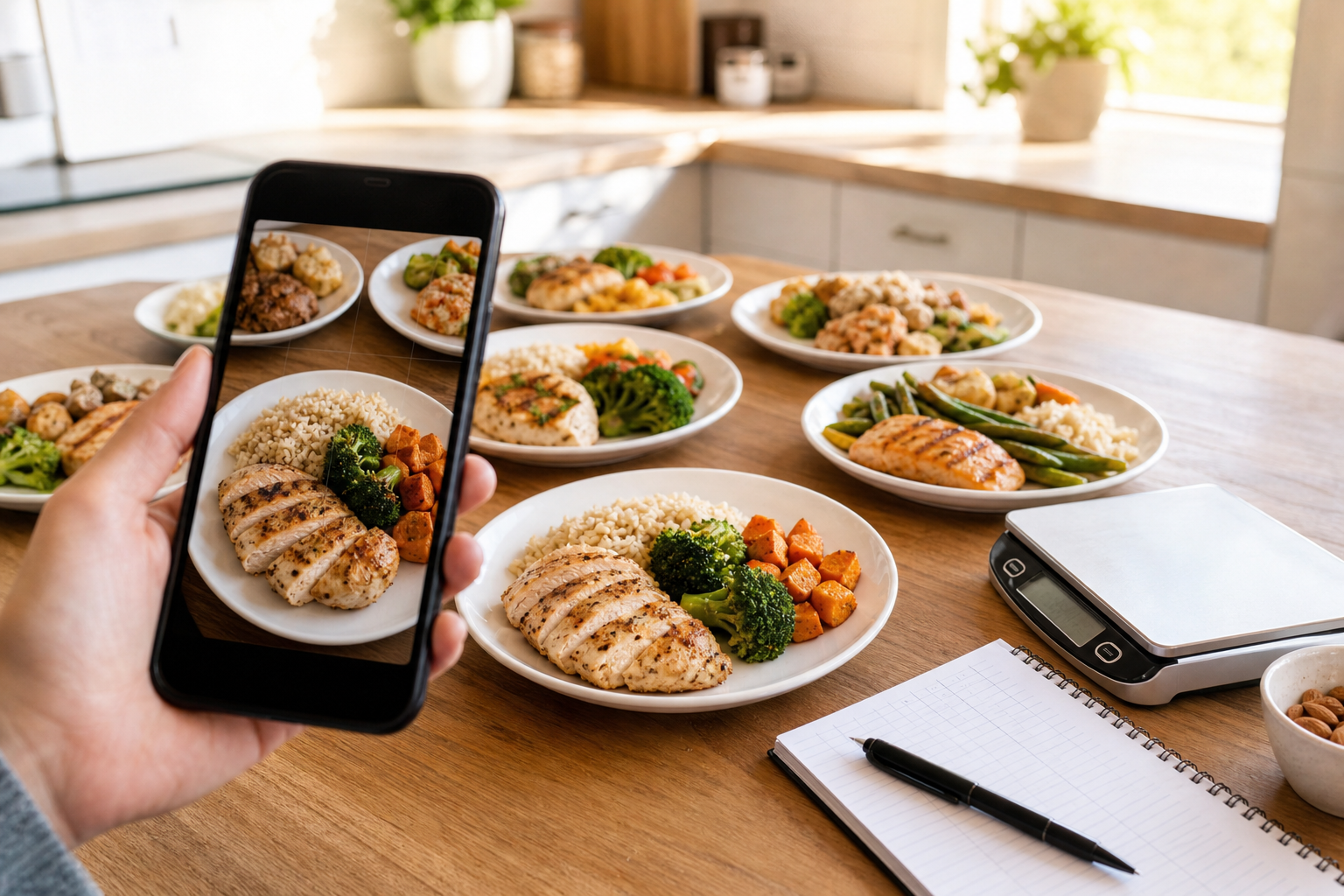
100 g of raw chicken breast cooks down to about 73 g. 100 g of dry rice cooks up to about 281 g. Conversion factors for 10 common foods, worked out from USDA calorie figures, and the places where the shortcut breaks.

Mara Ellison ·
June 2025

How to Freeze Meal Prep Without Freezer Burn
Guides Technique

How to Freeze Meal Prep Without Freezer Burn

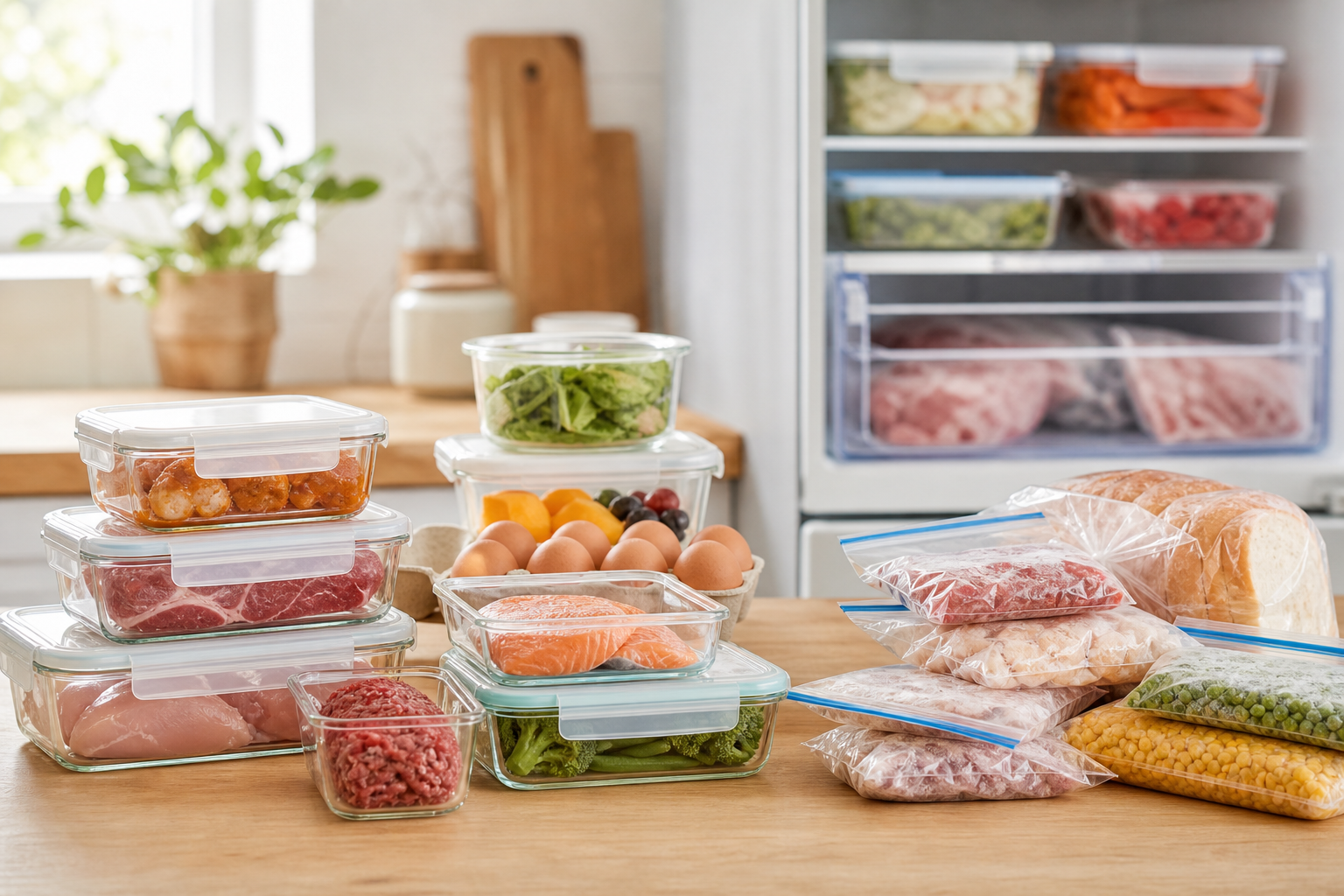
Freezer burn is air on the food's surface. Squeeze out the air, cool the food first, freeze it flat, keep the freezer at 0 °F, and add no more than 2 to 3 lb of unfrozen food per cubic foot a day.

Dev Patel ·

May 2025

Is It Safe to Reheat Rice? What the Risk Actually Is
Guides Technique

Is It Safe to Reheat Rice? What the Risk Actually Is

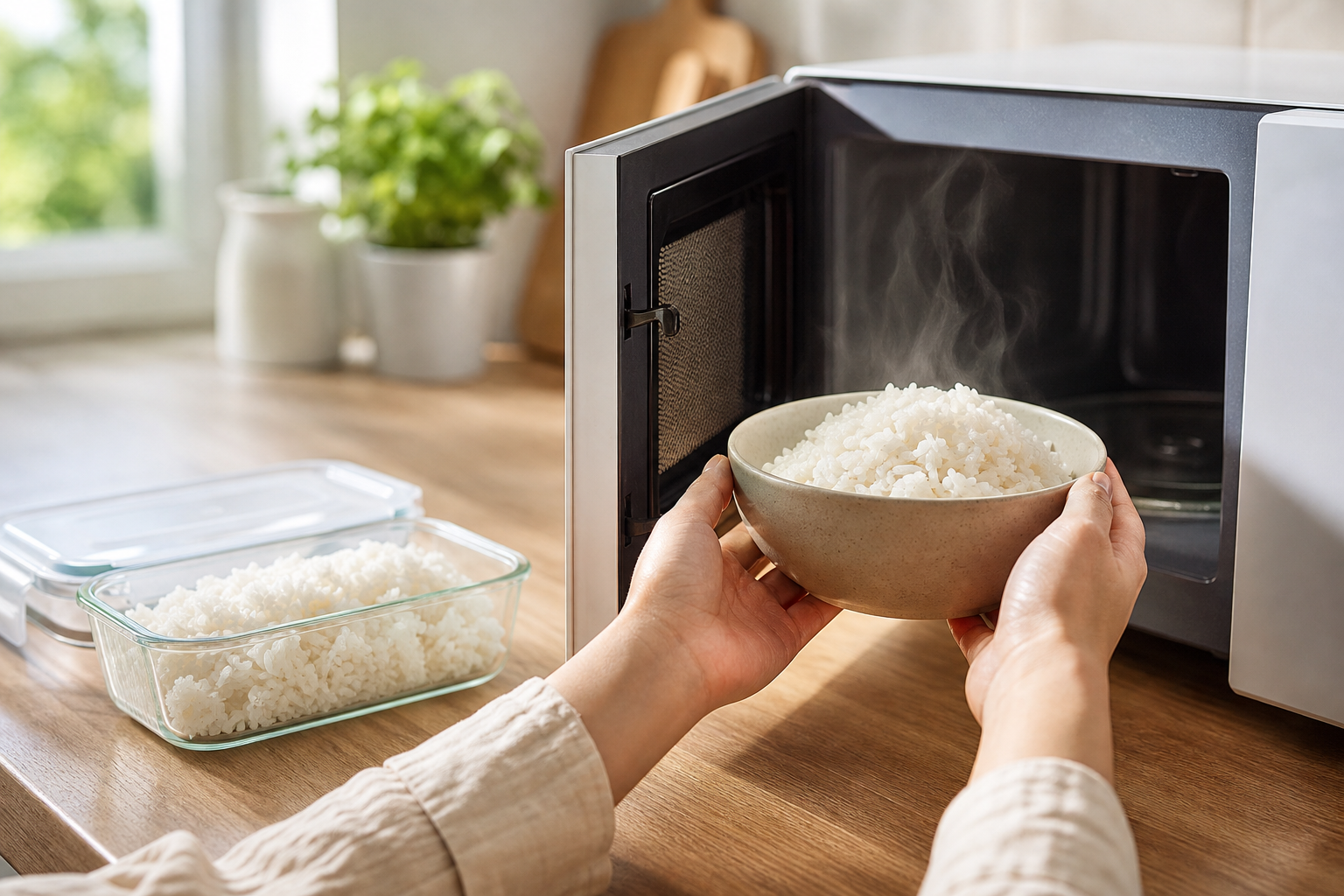
Reheating isn't the risk. Time spent warm is. Bacillus cereus spores survive cooking, and if rice sits out, they can make a toxin that reheating won't destroy. Cool it within an hour, chill it, reheat it once.

Dev Patel ·
Should You Weigh Food Raw or Cooked?
Guides Technique

Should You Weigh Food Raw or Cooked?

Either works, if the database entry matches the state you weighed. Mix them up and 100 g of cooked rice logs as 365 calories instead of 130, and 100 g of roast chicken as 120 instead of 165.

Dev Patel ·

April 2025

How to Use (and Calibrate) a Meat Thermometer
Guides Technique

How to Use (and Calibrate) a Meat Thermometer

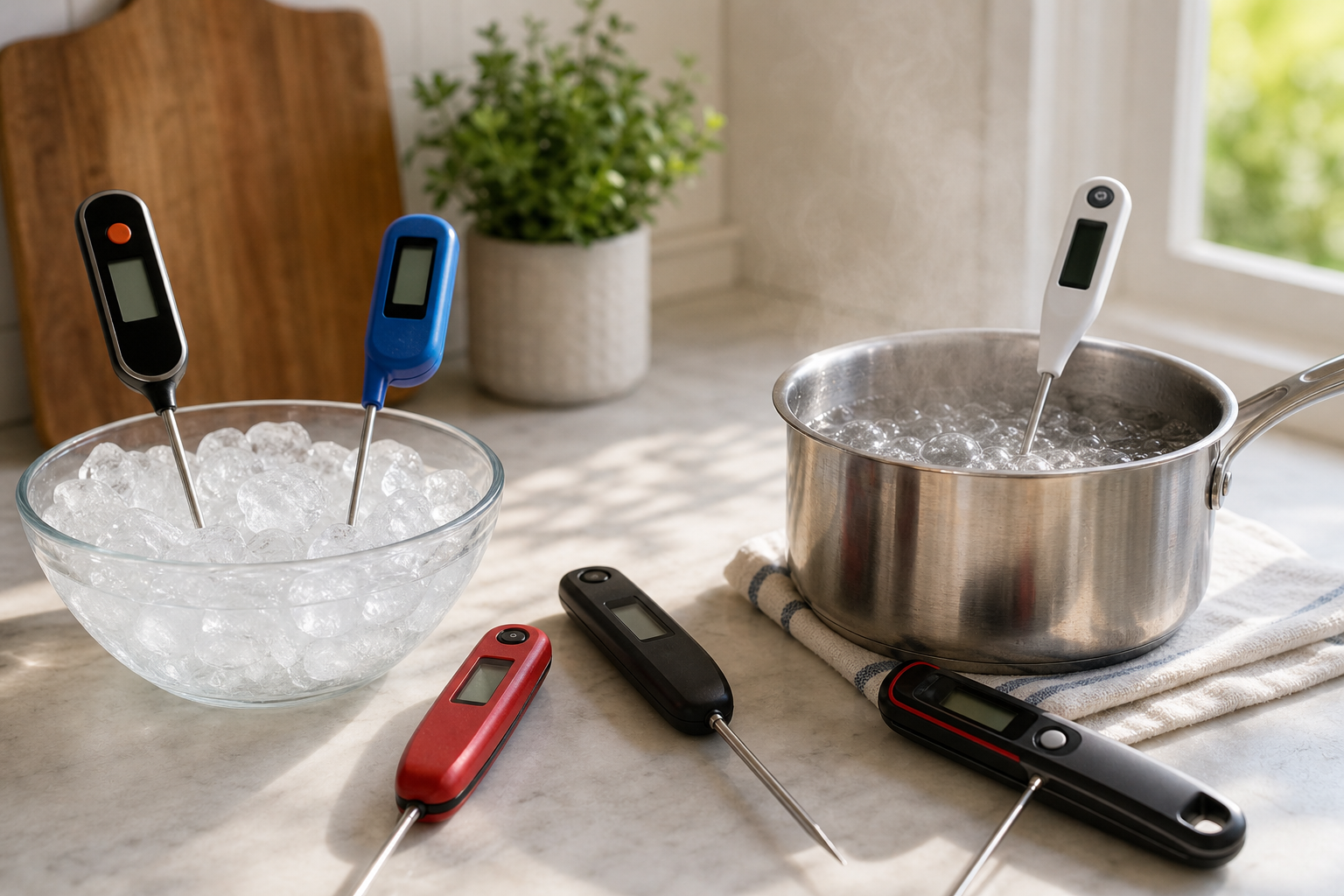
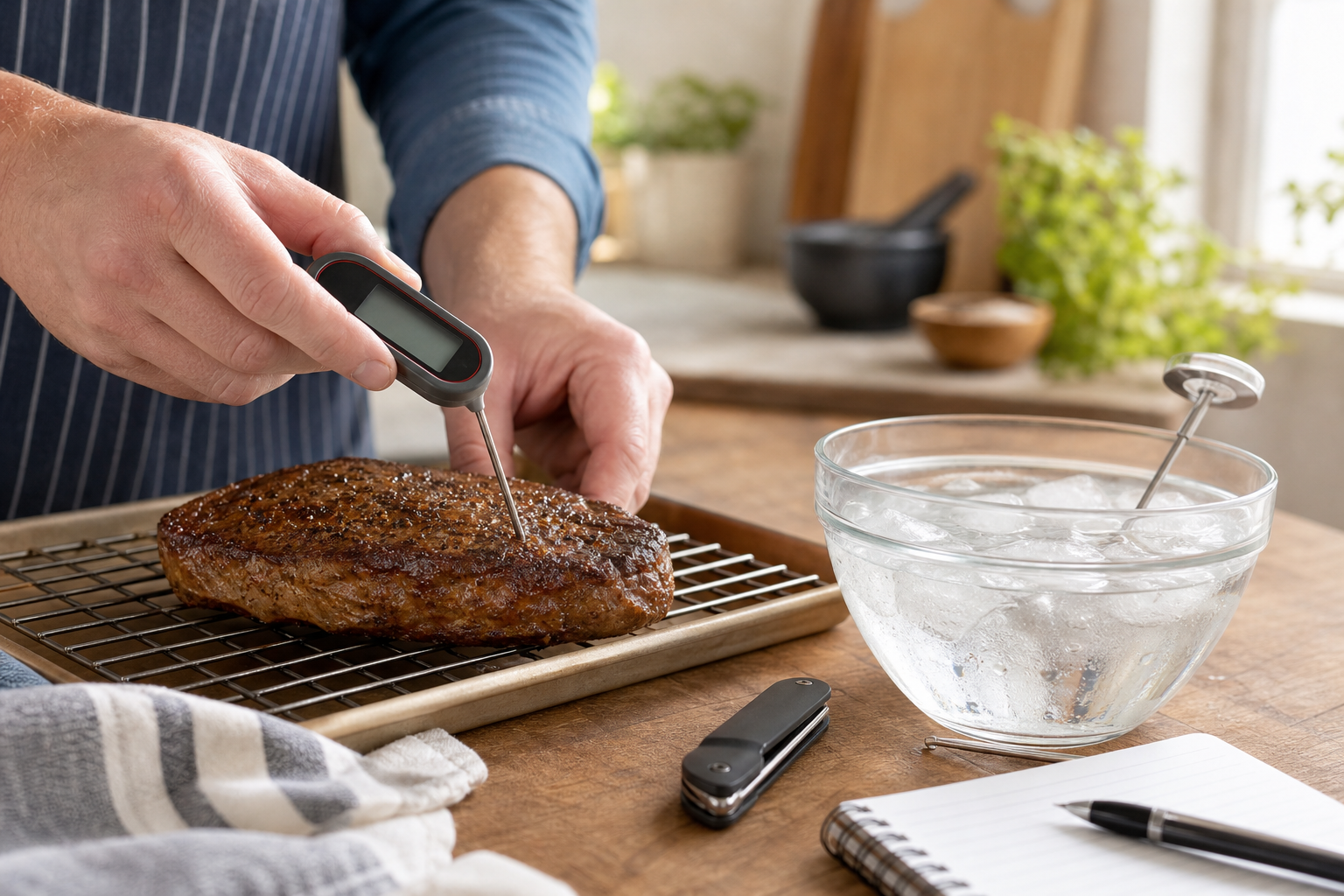
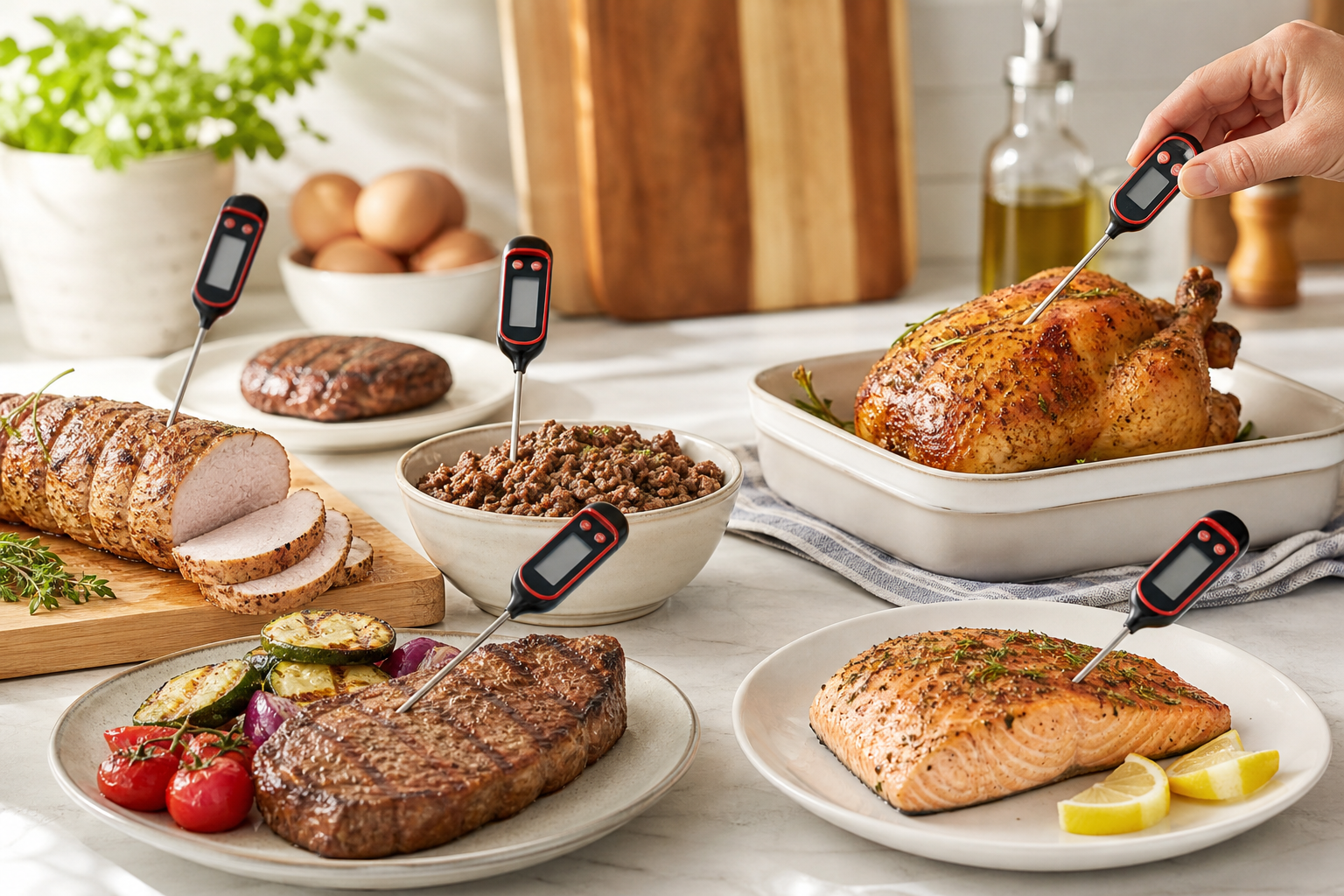
A thermometer is only as good as where you put it and whether it reads true. Probe the thickest part, away from bone and fat, and check it in ice water: it should read 32 °F. Boiling water reads 212 °F only at sea level.

Dev Patel ·

March 2025

How to Thaw Meat Safely
Guides Technique

How to Thaw Meat Safely: The Three Methods That Work

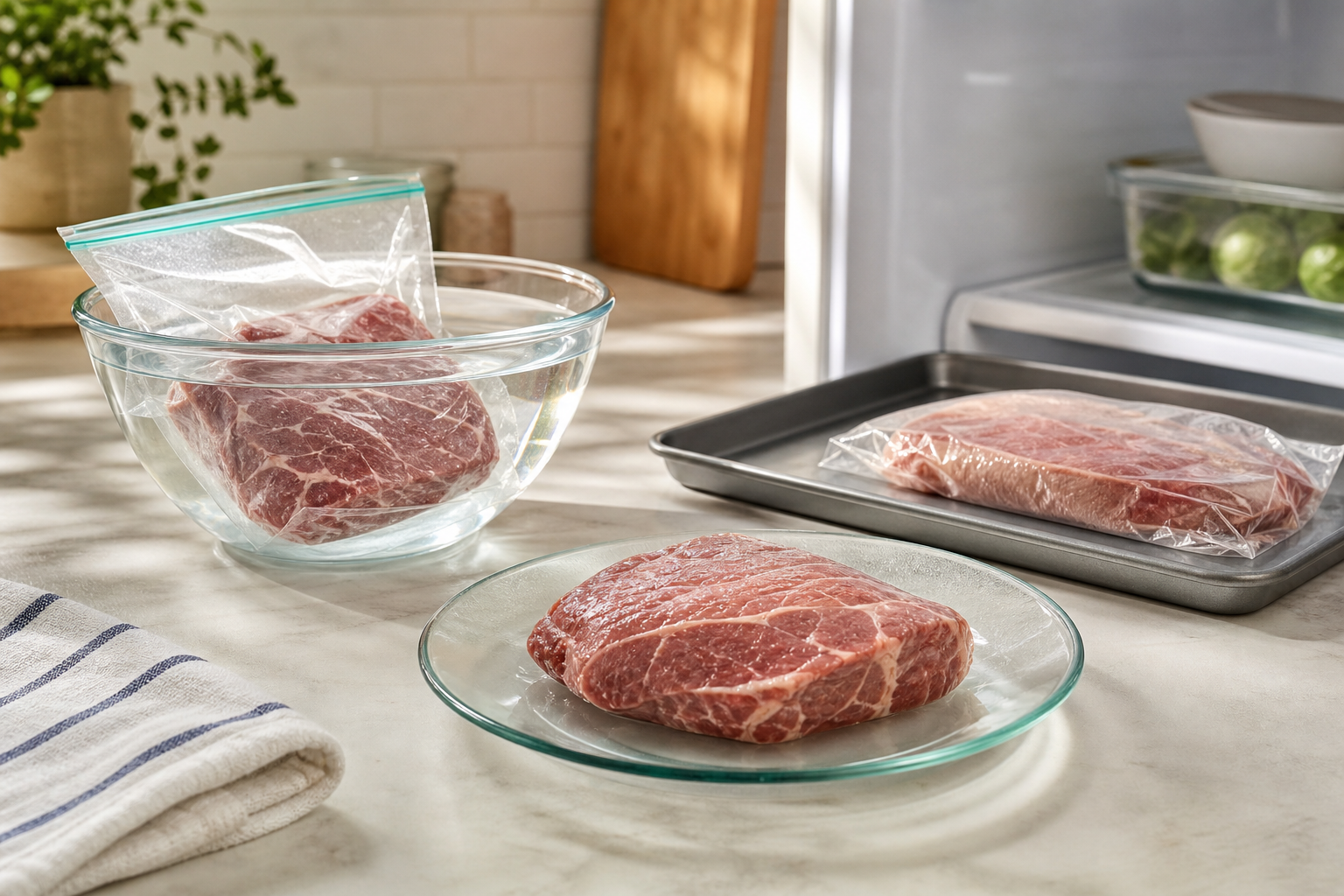
USDA approves three ways to thaw meat: the fridge, cold water, and the microwave. A pound of ground beef takes about a day in the fridge or about 30 minutes in cold water. The counter isn't on the list.

Dev Patel ·
How to Store Leftovers So They Actually Last
Guides Technique

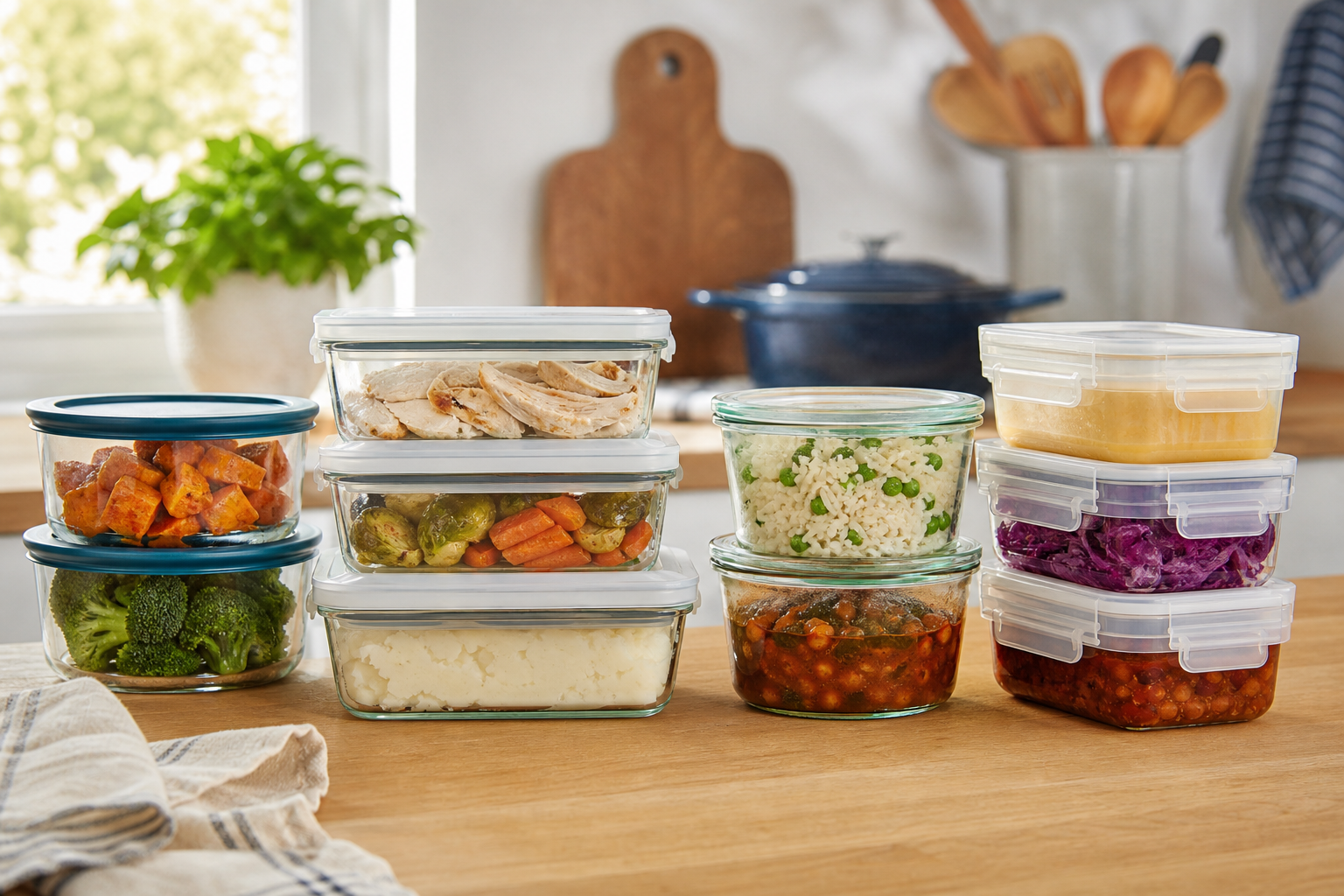
How to Store Leftovers So They Actually Last

Into the fridge within 2 hours, in shallow containers, at 40 °F or below. Eat within 3 to 4 days or freeze. Reheat to 165 °F. Those four numbers from USDA cover almost every leftover you'll make.

Dev Patel ·

February 2025

Best By vs. Use By vs. Sell By
Guides Shopping

Best By vs. Use By vs. Sell By: What Date Labels Mean

Only one food in the U.S. needs a federally required date: infant formula. Everything else is the maker's call, and most of those dates are about quality. What each phrase means, what actually decides whether food is safe, and how to read an egg carton.

Mara Ellison ·
January 2025

Serving Sizes
Guides Shopping

Serving Sizes: Why Your Calorie Count Is Off

A label's serving size is what people typically eat, not what you ate. Ice cream went from 1/2 cup to 2/3 cup in 2016, soda from 8 to 12 ounces, and a 20 oz bottle counts as one serving. How serving sizes are set, and how to log what you actually ate.

Mara Ellison ·
December 2024

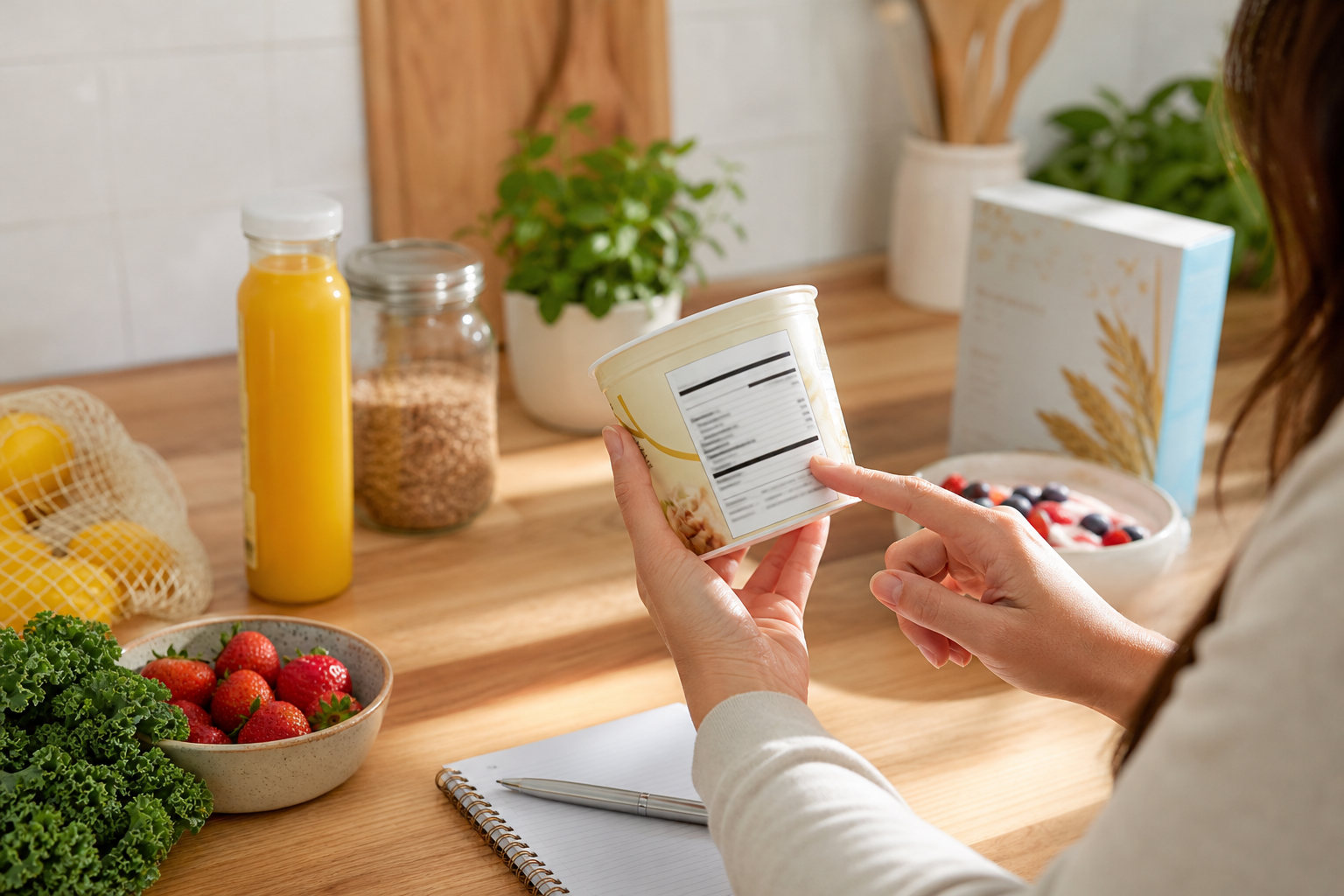
How to Read a Nutrition Facts Label, Line by Line
Guides Shopping

How to Read a Nutrition Facts Label, Line by Line

The panel has 15 lines that matter, and two of them, serving size and servings per container, change every number below. What each line means, what the rounding rules hide, and which %DV figures deserve a second look.

Mara Ellison ·